Living with an ostomy condition is a challenge in and of itself. So why complicate things with the wrong ostomy system and supplies? Of course, the best person to determine what kind of ostomy care you need is your healthcare practitioner, but it is also a good rule of thumb to explore and inform yourself of the option and best practices on the market. By educating yourself and exploring the possibilities, you will be better equipped to understand your healthcare provider’s recommendations and will be better prepared for the challenges and realities of living with a stoma.

Key takeaways
- One-piece or two-piece: one-piece systems are simpler and more affordable; two-piece systems are more adjustable (change the pouch without removing the barrier).
- The skin barrier (flat, concave or convex) depends on the shape of the stoma and abdomen.
- The pouch: drainable for large amounts of liquid output, closed otherwise. Transparent to monitor, opaque for discretion.
- Your healthcare professional is best placed to recommend the right system.
One-Piece or Two-Piece Pouching System?
Although there is a slew of ostomy care systems, they tend to be categorized under two terms: one-piece and two-piece systems. A single piece system, as the name suggest, is an all-in-one option that includes both the bag and the skin-barrier. You simply have to attach the skin barrier to the stoma and the system is ready to go. This simple to use system is perfect for those who have difficulty with their eyesight or fine motor skills. It is, also, a more affordable option.
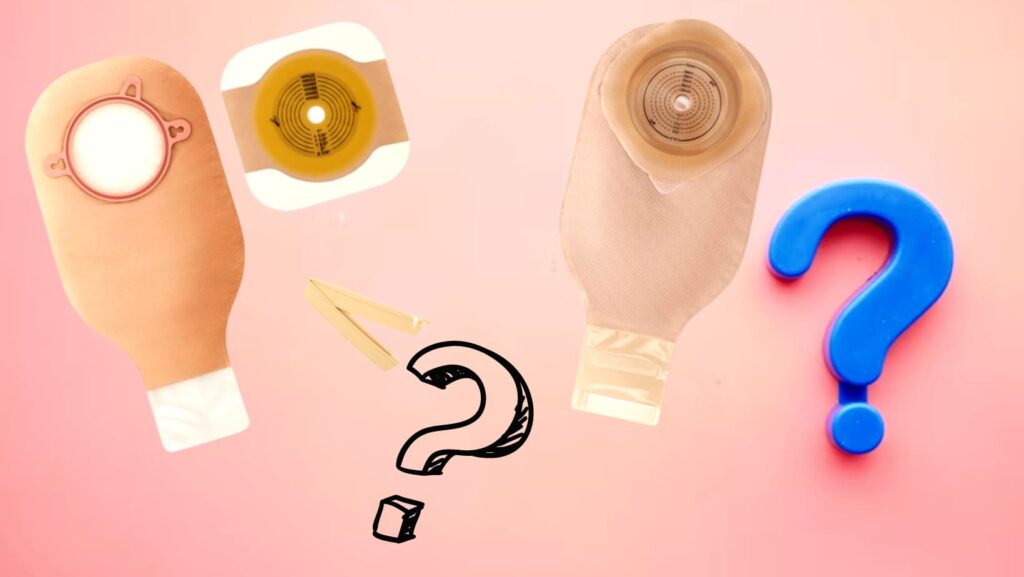
The two-piece systems are more complex, but they offer a more calibrated system adjusted to the user’s needs. The pouch and the skin barrier are attached together using a plastic ring called the flange, making it possible to replace each part individually. You can also remove the bag without removing the skin barrier, simplifying the process of changing the pouch when full or when the situation calls for a different kind of pouch.
The Right Skin Barrier for You
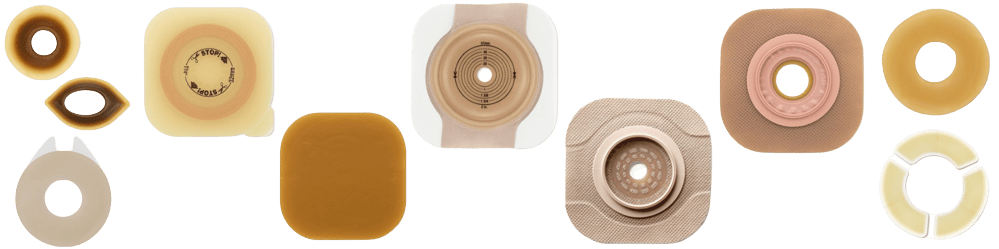
The skin barrier, or wafer, is the most important part of the system when the health of your stoma is concerned. This is the part that protects your peristomal skin from secretions and leakage, and holds the stoma open for the drainage pouch. You should keep an eye on your skin hygiene around the skin barrier. It is often overlooked, but skin health is important for the proper function of your ostomy and for your all-around comfort. It is a good practice to avoid harsh soaps and to use lukewarm water to clean around the edge of the skin barrier. This will help maintain a healthier skin.
The form of the barrier will depend of your stoma’s shape and opening. Some can be cut to accommodate an oval shaped stoma while others are round and shouldn’t be cut. Furthermore, the area and level of protrusion will affect which type of protection to use. Flat skin barriers are usually suited to a stoma of sufficient length located on a flat part of the abdomen. Convex skin barriers are used to accommodate stomas that are flush with the skin, are retracted slightly or are located in fatty tissue and skin folds. If your stoma has formed a lump beneath the skin or if it has herniated, then a concave skin barrier is the better choice. You may also need to add a barrier ring to your wafer to conform to a stoma retracted too far. This will help form a better seal and keep things out of where they shouldn’t be.

Rigidity and flexibility also vary. Firm barriers better hold a stoma in place while more supple wafers offer more flexibility and may be worn for longer periods without discomfort. The type of ostomy and other health factors will help to determine the level of rigidity and how long the barrier should be worn. As a general rule of thumb, if you have an ileostomy or urostomy, if your output is generally liquid of extra soft, or you tend to sweat a lot it is best to use a firm barrier flatly secured for a longer period. This helps to avoids accidents and complications associated with frequent changes. If you have a colostomy, your waste is well formed and your skin is healthy and in good condition you may opt for a regular use barrier that is softer and less firmly attached, making it easier to change.
The person in the best position to answer these questions is your doctor or other healthcare practitioner. They will be able to guide you towards the right equipment, usage and solutions regarding your particular condition. For example, a sensitive skin that reacts to adhesives should be dealt with swiftly before further complications occur. In this case, your doctor would most likely recommend a skin barrier with no adhesive.
The Use Is in the Bag
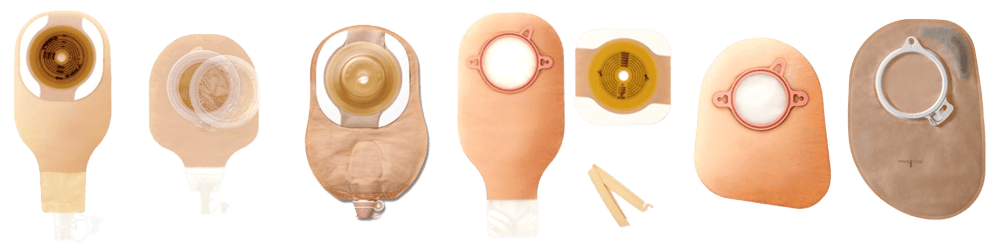
The final piece of the puzzle is the bag. Ostomy pouches come in different sizes and features, such as filters and closure systems. Drainable pouches a preferable is you waste is liquid and high in volume. You will usually have to drain the bag more often if you have a urostomy. Closed bags are preferable used for low volume or was that is too solid for a valve system to function properly.
Bags can also be opaque or clear. Transparent bags are useful if you need to keep an eye on your stool health, or to ensure that no complications arise with your ostomy. Opaque pouches are more of an aesthetic option. They hide the content of the bad which is preferable if no monitoring is needed. It is often appreciated by relatives (or the user) that might be squeamish.

Ultimately, your healthcare specialist will be the one to help you determine which ostomy pouching system meets your needs. Even so, it’s still a good practice to explore the products and solutions offered on the market. This way, you will be better prepared, informed and ready to ask pertinent questions to your doctor. Here at Équipements adaptés MCL, we have the resources and information to help you discover what options are available and what kind of products exist. Don’t hesitate to get in touch if you need help exploring the different ways of supporting your ostomy and to find the comfort you deserve.