Your cart is currently empty!
Blog
-

The Physical and Mental Benefits of Daily Use of a Mobility Scooter
When one thinks of a mobility scooter, the first thought often revolves around increased mobility for seniors or individuals with reduced mobility. However, the benefits extend far beyond simply being able to move about. The daily use of a mobility scooter offers a range of physical and mental benefits, contributing to an improved quality of life for its users.
Light Physical Activity
One of the first things that come to mind is physical activity. Even though it may seem modest, operating a mobility scooter involves a certain level of physical activity, especially compared to the alternative of sitting all day. While it does not replace regular exercise, it still keeps muscles moving and improves blood circulation, which can be beneficial for cardiovascular health and preventing muscle atrophy.
Social Stimulation
Another often overlooked advantage is the social stimulation that comes with using a mobility scooter. By enabling users to move more easily, it opens up new opportunities for meeting and socializing with others. Whether it’s attending community events, visiting friends, or simply strolling around the neighborhood, the mobility scooter becomes a tool that facilitates social interactions, thereby reducing the isolation and loneliness often associated with aging.
Increased Independence
One of the most valuable aspects of using a mobility scooter is the independence it provides to its users. No longer do they have to constantly rely on others for daily transportation. With a mobility scooter, users regain a sense of control over their own lives, which can have a profound impact on their self-esteem and mental well-being. It allows them to continue living life on their own terms, despite the mobility challenges they may face.
Improved Quality of Life
Overall, the daily use of a mobility scooter contributes to an overall improvement in quality of life for its users. By offering the ability to stay active, maintain social connections, and retain independence, the mobility scooter becomes much more than just a means of transportation. It becomes a faithful companion that accompanies them on their daily journey, providing support and freedom at every turn.
In conclusion, the physical and mental benefits of daily use of a mobility scooter are numerous and significant. By promoting physical activity, socialization, independence, and an overall better quality of life, the mobility scooter proves to be a valuable tool for seniors or individuals with reduced mobility who seek to remain active, engaged, and autonomous in their daily lives.
-

Why Choose a New Lift Chair?
The Manufacturer’s Warranty: Your Peace of Mind
When you invest in a new lift chair, one of the key advantages is the manufacturer’s warranty. This means that the manufacturer commits to covering repairs or replacements in case of manufacturing defects during the warranty period. This peace of mind is invaluable as it protects you from potential issues that may arise.

Pride, Elran, and Golden Technologies, the brands distributed by Équipements Adaptés MCL, are renowned for offering robust warranties, ensuring that your investment is well protected. These warranties typically cover a variety of components, including motors, lifting mechanisms, and electrical systems. This allows you to relax knowing that your electric lift chair will perform optimally for many years.
But there’s more! What makes Équipements Adaptés MCL’s warranty offering even more advantageous is that the warranty is honored directly by us. You won’t need to contact the manufacturer in case of issues. Additionally, any necessary repairs are carried out in-house, in our repair workshop, guaranteeing prompt and efficient assistance when needed.
Proper Dimensions: Avoid Chronic Muscle Pain

When you purchase a used lift chair, it’s challenging to ensure that its dimensions are a perfect fit for your needs. This can lead to posture problems and discomfort, which can result in chronic muscle pain. Every individual is unique, and an ill-fitting chair can have adverse effects on your well-being. Opting for a new lift chair allows you to obtain a customized model with perfect dimensions, ensuring optimal comfort.
Long-Term Savings: More Than Just Economical
While the idea of saving money in the short term by buying a used lift chair may seem appealing, it’s important to consider potential long-term costs. Frequent repairs and unexpected replacements associated with used chairs can end up costing more than the initial purchase of a new model. By investing in a quality new lift chair, you significantly reduce the risk of unforeseen expenses, which is crucial for electric lift chairs that may require specialized repairs.

Make the Smart Choice with Équipements Adaptés MCL
At Équipements Adaptés MCL, we understand the importance of providing our customers with the best quality and service. Opting for a new lift chair is a smart choice for your health and comfort. Our range of lift chairs from the brands Pride, Elran, and Golden Technologies guarantees quality and durability. We invite you to browse our online catalog of new lift chairs. Feel free to contact us to schedule an appointment with an advisor who will guide you to the perfect choice for your needs.
Investing in your well-being and comfort with a new lift chair is a wise decision, and Équipements Adaptés MCL is here to support you at every step of the process. Remember, the warranty is your best ally for complete peace of mind.

-
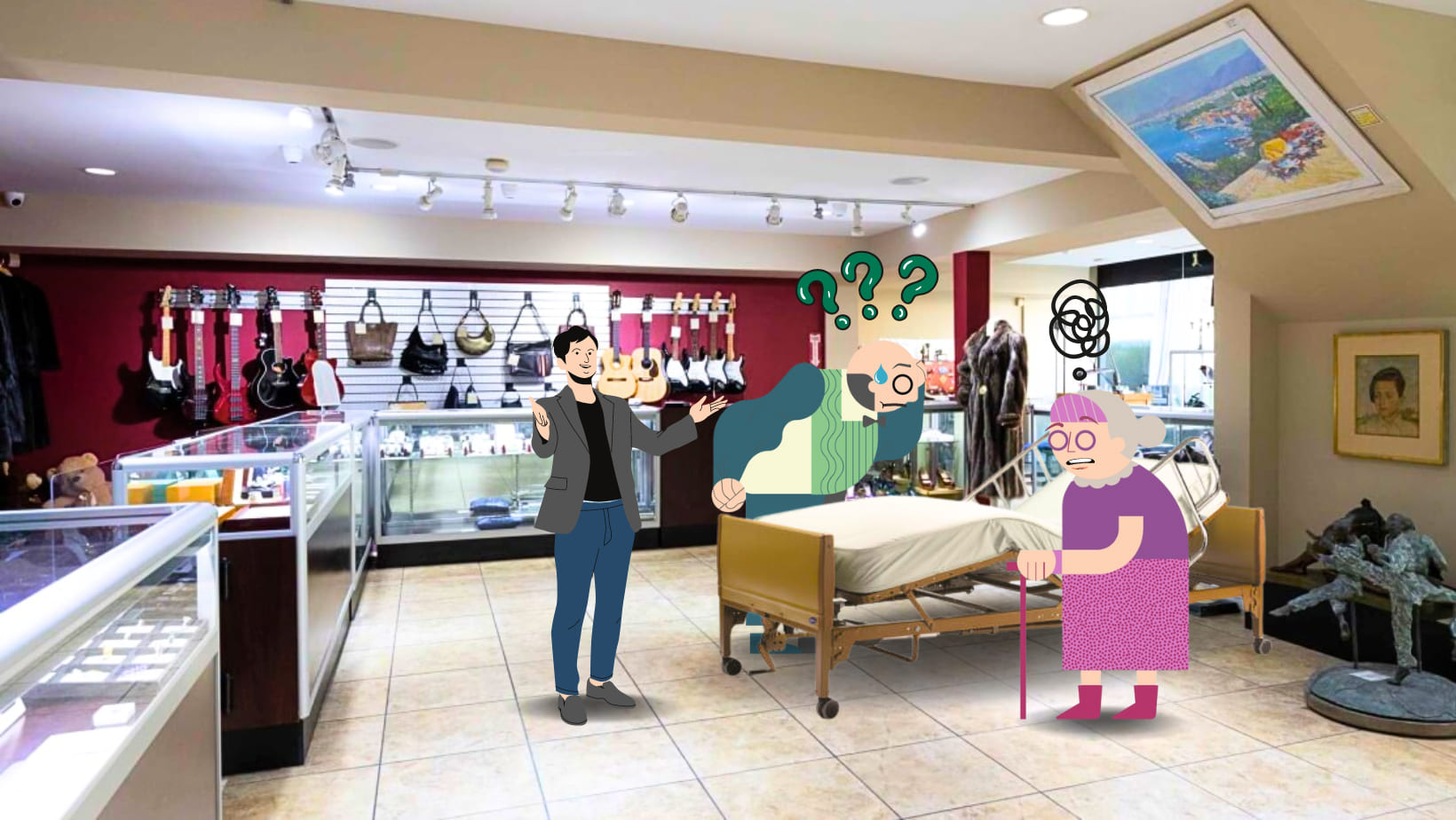
How to buy a used electric bed?
Buying a new hospital-style bed for your home can be a burden, especially in this current economic climate. For many, the world of hand-me-downs and pre-owned equipment remains the soundest budgetary decision. But don’t let the lower prices alone tempt you. It might be a great deal for some, and for others a nightmarish puzzle of parts and research before even lying in bed.

Before finalizing your purchase, it is a good rule of thumb to do your research and inspect the equipment and its components thoroughly. Take your time and give it a good look, scour every nook and cranny and even give it a try. Avoid any unnecessary stress and follow our guidelines. Don’t forget: you are shopping for medical equipment and not a luxury articulated bed from those big retailers.
The Mattress
First, let’s talk about the mattress. Being the central cog in all this sleep operation, this is the surface you will be in contact with the most. Most electric care beds will be paired with a therapeutic mattress such as the Glissando and Solace. Depending on your condition or needs, the mattress supplied might not be adapted to the situation.

Needless to say, it is a good idea to inspect the mattress surface for any tears, deformations and discolorations. If the cover is torn, weathered or discolored, the risks of urine, humidity or other filth infiltrating the foam is high. If the foam mattress is deformed or dry and flaky, the condition is dubious at best. Our tip: opt for a new preventive care mattress if your means allow for it. Due to the nature of care mattress use, you might be taking the risk of exposing yourself to urine, blood, fecal matter and other body fluids. On top of that, you might be inviting a bedbug colony to your home. If the water-resistant cover and the foam inlays seem in good condition, and that the original residence of the bed is infestation free, you could most likely keep the used mattress. A good scrub, decontamination and quarantine period for the mattress should be done before use.

The Frame and Mechanism
The next step will be to inspect the base of the hospital bed and the mechanical components attached to it. The base of the bed is where all the articulated magic happens. The best test is to try it yourself. Grab the remote, press on those buttons and make it move. First of all, does it even function? If it does, is it overly noisy and creaky? Do all the parts move fluidly, or does it seem labored and janky? Do the motors seem to work harder than necessary? Take the time to inspect the wiring and connections for any fraying, disconnections or outright breakage. While you’re at it, look at the condition of the paint and metal of the articulations. If you see rust, you see structural weakness bound to happen.
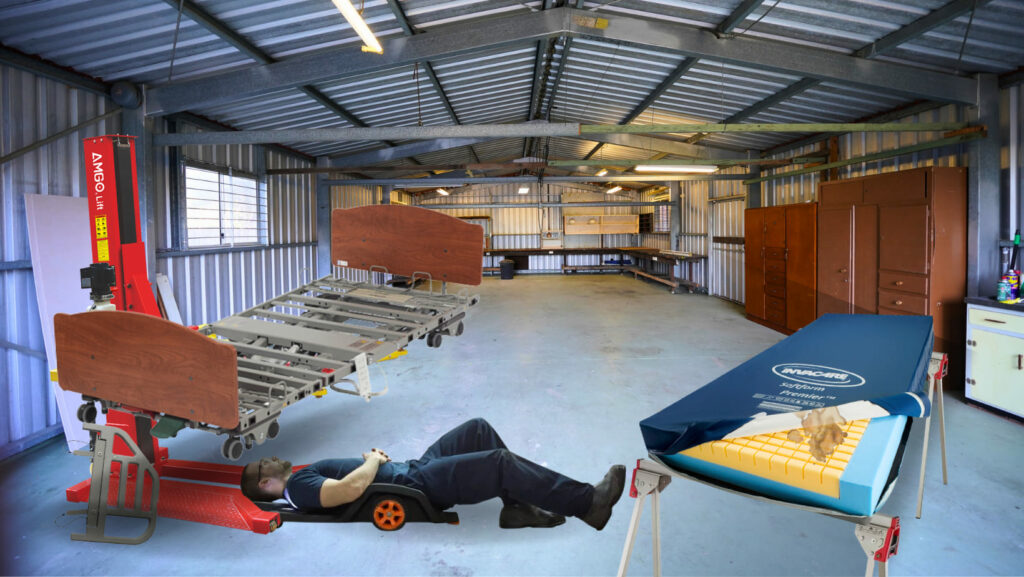
The mechanism is usually covered by the manufacturer’s warranty (if the bed isn’t too old). This doesn’t mean that their assistance will be completely free, but don’t let that stop you from trying. If all the parts and components seem functional and in good condition, a little cleaning and greasing will do the trick to restore it. If you are uncertain of the condition and of your decision, you can have the bed inspected by our repair specialist in our workshop.
The Parts and Components
The last thing on your checklist should be the parts and components. More specifically, if said parts are still available or discontinued. Manufacturers have a tendency to discontinue certain lines of production and support system for certain products, making them obsolete. If that is your case, repairing and maintaining your electric hospital bed might be difficult if not impossible. If the bed model is old enough, your bed rails might not comply with today’s safety standards. If parts are available, then that’s good news for you! The bed’s integrity and longevity can be maintained so long as you have access to these parts. Equipment of this size and price is not something you want to shop for every year. Once inside, it’s meant to stay.

The most important thing will be to check the availability of electronic components. A lock pin can easily be changed for another model or solution, but if your control module short-circuits and the part isn’t available, you’re dead in the water. The hand control pendants are usually not interchangeable as well. If the scissor mechanism is damaged or defective, but the control module is functional, your articulated bed will still be immobile. In fact, you risk further damaging the hospital bed by trying to use a defective model. To figure out if the electric bed you are looking at still has available parts, you simply have to look on the internet. The model number will be required. If that is not an option for you, you could always give us a call. Our experts will gladly help and guide you with the proper information.

Make yourself a checklist. Check every box and note any changes or repairs to be done. Weigh the pros and the cons of buying a used bed and compare your investment with the price of a new bed. The bed is in good condition, but you’ll need a new preventive care mattress? Your bed guard rails are full length and will need to be changed for half-length rails? Be certain to have inspected every nook and cranny possible before proceeding with your purchase. Used equipment might be more affordable, but you will have no warranty or guarantee to fall onto in case of a problem.
Be absolutely sure and confident in your decision. A used electric homecare bed can easily cost you the price of a new model if you aren’t wary enough. You can call on us for any verification, troubleshooting and to compare prices. Our team will gladly inform you about the possibilities, alternatives or to help you move your adapted equipment. Shop wisely and carefully!

-

How to choose the right orthosis?
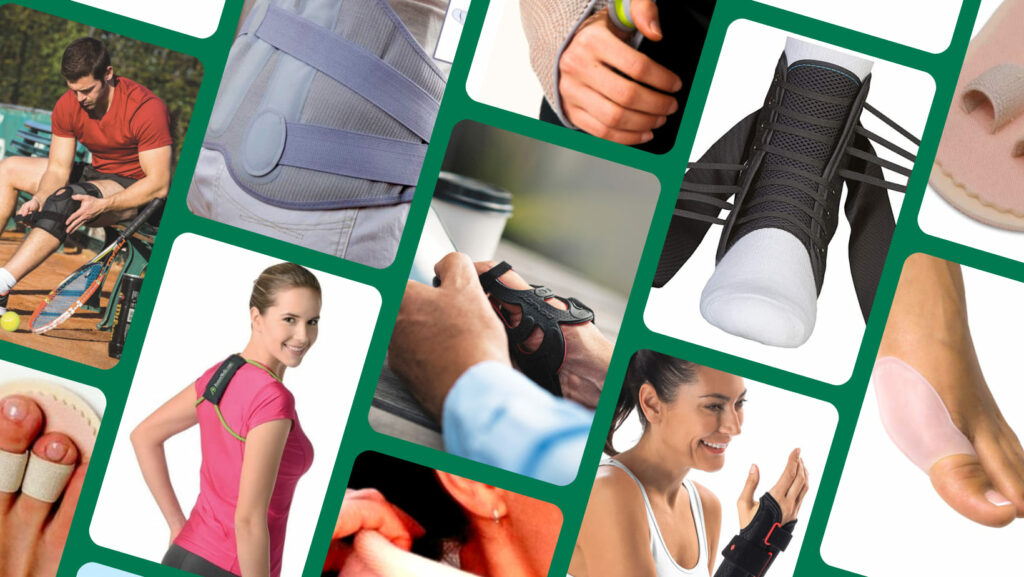
The field of orthopedics can seem complicated and intimidating when uninitiated. For unusual or specific cases, there are orthopedic specialists out there that can offer tailor made solutions. But what about the most common conditions? The world of over-the-counter orthoses can rapidly become daunting and heavy if not guided by a well-informed expert. Word to the wise: it is always a good idea to have your doctor or physiotherapist evaluate your needs or injury before launching yourself in your shopping. Your healthcare provider is best equipped to determine what condition ails you and guide you toward the proper treatment plan. A second piece of advice: your healthcare professional will be able to guide you towards the right type of orthopedic product to help you, but a renowned orthosis and splint expert will be able to guide you through the myriad of seemingly identical products.

That being said, there are a few generalities and tips we would like to share with you to help you through the process. Choosing the right orthosis or splint can be the difference between a speedy recovery or a surprise complication.
The Right Support, a Question of Terminology

Orthosis, prosthesis, splint… They’re all the same, right? Wrong. A prosthesis replaces a missing limb or body part. Orthoses can wear many hats. To simplify the definition, they are generally used to assist or facilitate limb function and motion that has become difficult, painful or deficient. Think physiotherapy. And a splint? Well, that’s just a type of orthosis used to immobilize an injured or painful limb. A sling holding a broken arm in place is a good example. Here are a few more examples to help you understand:
 A breast form? We’re talking about a prosthesis here.
  A mechanical foot? Also a prosthesis.
  A back support belt? Bingo! The belt promotes proper posture and flexion during physical activities to insure adequate function and limit risks of injury. By supporting and assisting proper body function, the support belt falls under the umbrella of orthoses.
  A profiled stabilizing sling? If you remember correctly, it is an orthosis although more specifically called a sling.
Orthopedic braces and splints are usually paired with physiotherapy exercises, stretching and even neurostimulation treatments on occasion. These exercises are essential for recovery or to strengthen a weakened, possibly aging, articulation. This helps promote healing and recovery, as well as limiting the chances of further injury or complication.

Wearable Therapy

What about usage? As already established, orthoses are usually meant to stabilize or assist limb function and articulations. How this is achieved will depend on the situation and the needs of the user. For a hernia, a support truss will apply sufficient pressure to maintain everything in place. This will help alleviate pain while waiting for an operation. Are you pregnant or do you lift heavy loads regularly? A lumbar or maternity support belt will maintain correct posture and limit the risks of injuring yourself. Is it tendinitis or rhizarthrosis? A wrist or thumb stabilizing brace can help reduce pain due to over usage of your thumb or wrist while limiting damaging motions of the limb. You have a bum knee or an ankle sprain? A wraparound knee brace or ankle stabilizer (or even a walking boot) will help support your weight. And don’t forget, all of this is generally matched with stretching, exercises or physiotherapy.
As you can see, there is a veritable myriad of possible equipment and solutions out there. As stated above, it is good practice to check with your healthcare professional to ensure that your needs are met, and to have an informed specialist assist you in choosing the right product for you.
Head, Shoulders, Knees, and Toes
So, if a limb is painful, you just have to brace it right? Not quite. Depending on the condition, the part of the body to treat and support might be different than where the pain originates. A painful wrist might in fact be a pinched nerve in your neck or shoulder. Your caregiver will be able to diagnose what the situation is, and from there the correct type of orthosis will be determined. There is an orthosis, brace or splint for almost every body part and their associated conditions. Making a complete and detailed list would be a daunting affair that would only serve to further confuse a potential shopper. They can be grouped in 5 general anatomical regions to simplify the categorization: the neck and shoulders, the arms (elbow, wrist, hand), the abdomen and back, and legs (hips, knees, ankles, feet).
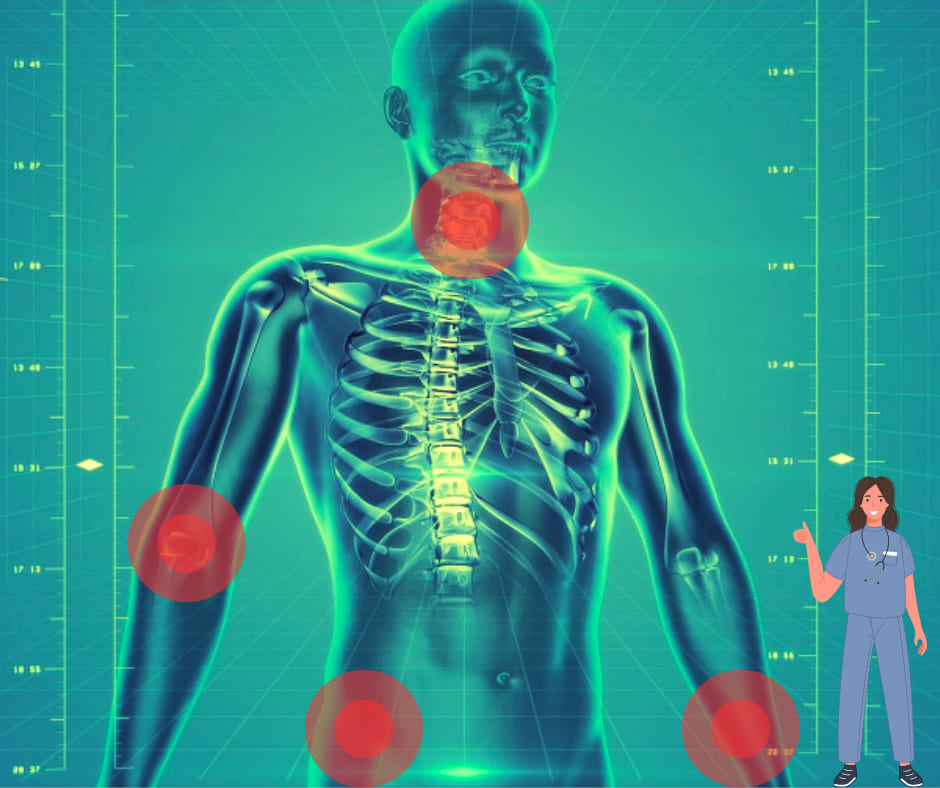
But remember: the painful region might not be the area to support. A painful and tingling wrist or fingers could be tennis/golfer elbow. In this case, the orthosis will be worn on the elbow and not the wrist or fingers themselves. Furthermore, if an orthosis is worn for extended periods or in an improper fashion it might have the inverse effect of atrophying the muscle instead of restrengthening it. It is of the utmost importance to follow the guidelines and exercises prescribed by your caregiver to avoid further aggravating the problem.
As you can see, the world of orthopedic braces and splints can be quite the affair. Whether you need ongoing support for a specific condition or temporarily for recovery, orthoses can help you find your Mobility, Comfort and Liberty once again. Whether it be a sling for a broken arm or a hernia truss, we can help you find the correct tool for your needs.
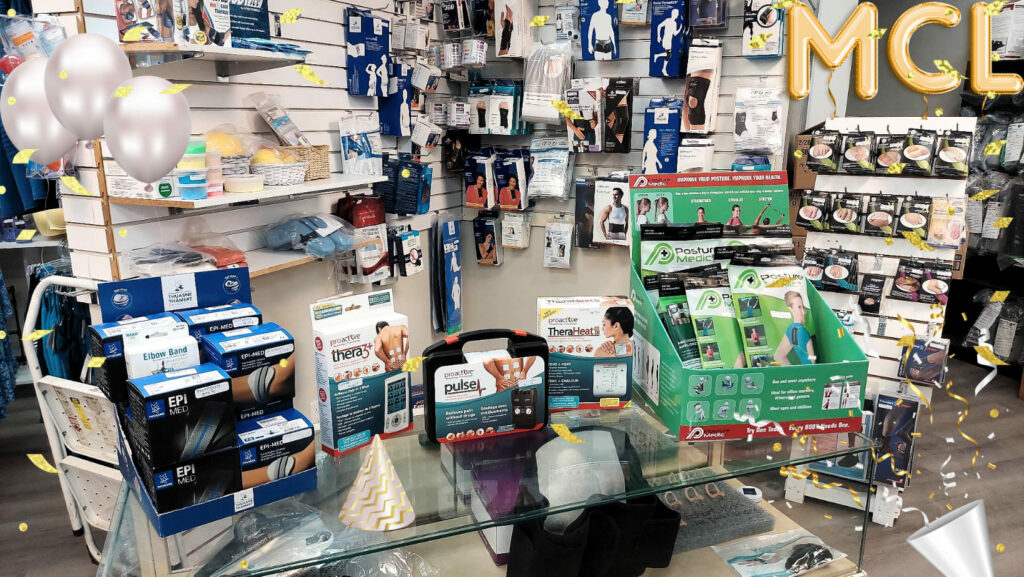
At Equipement adaptés MCL, we hold a wide variety of over-the-counter orthoses to cover a range of conditions and situations. Our experts can and will gladly help guide you towards the proper equipment. But we can’t stress this enough: your healthcare specialist will determine if an orthosis is the proper solution, and our experts can guide you towards the proper model for your needs. Happy recovery!

-

What Are the Different Types of Medical Alert Systems?

What is more comforting than the feeling peace and security inspired by the safety of our home? Unfortunately, many have to face difficulties and conditions that make their home a little more hazardous. Whether it be living with or with someone affected by reduced mobility, altered cognitive functions or even raising a kid, your house can present a plethora of new challenges and risks. But have no fear, we have a few tips and solutions for you!
Watch Your Step!

Did you know that falling was the leading cause of injury? 20 to 30 percent of will fall at least once in the year, on average. 85% of elder hospitalizations are due to injuries received during a fall. This might seem alarming at first, but have no fear! There are a few tools out there to help with the prevention of falls and their associated injuries.

Wireless sensor pads, paired up with a cordless monitor, makes it possible to intervene as soon as a fall occurs. These pads come in a couple of formats. Sensor bands are generally used for bed surveillance while sensor cushions will be used on wheelchairs, couches and other seats. The internal system is activated when pressure is registered by the pad. When the weight is removed, a signal is sent to the wireless alarm monitor that will alert a nurse or caregiver that help is needed. Although they will not prevent a person from falling, these sensor mats will allow for a faster response time. Alternatively, or as added security, you might opt for a nurse call button. The at-risk person could press the button, if conscious of course, to call for help in the event of a fall or to prevent one. By acting quickly, you will be able to call emergency services or assist the victim before the situation worsens.

If it is injury prevention you are looking for, then you might want to use a safety fall mat. These mats are places at the foot of a bed to cushion the impact of falling. They are made of high-density foam that absorbs and disperses a part of the shock to limit the risks of injury.
Where Am I?
If falling doesn’t worry you, but you have a tendency to misplace your relative, you might be facing a wandering situation. While sensor pads could be useful, a better approach would be to use smaller and subtler tools to monitor exit points. It’s a good practice to try and camouflage the devices in the natural environment of the wanderer, as to not cause any unnecessary confusion or anxiety. As an added bonus, you’ll ensure that your surveillance system won’t be tampered with or removed.

An infrared motion sensor is usually small enough to hide in plain sight. Often installed at the foot of a bed or doorframe, the sensor sends a signal to a monitor or pager when the detection line is broken. For exit points, such as doors and windows, a magnetic sensor or transmitter bracelet could be used. They are small enough to disguise in a room and will alert you when the person being cared for approaches or opens a door/window. In some situations, a magnetic locking system may be added in conjunction to a transmitter bracelet system for added security to completely seal the exit before an attempt is made. You might not be able to stop the hankering for a wander, but you can still make it safer with the right equipment.

For the Occasional Leak
We have all, one in our life, dreamed of a toilet and the promise of sweet release. We have all been woken by its warm deception… Whether it a childhood hurdle or an adult incontinence problem, it is always an uncomfortable and disappointing situation to deal with.

To address this problem, the EnuReflex Clinic (a 100% Québecois business) developed their bedwetting alarm system: The Urine-Alert. This all-around urine detection system can help deal with enuresis (bedwetting), potty training of you kids, diaper rash, dermatitis, bed sores, adult incontinence problems and with homecare situations with a bedridden person. Using the system is as easy as your ABCs. A detection band is inserted into the underwear or diaper that is connected to an external and wireless monitor, a vibrating puck or both. When the band detects moisture, a signal is sent to the monitor and puck. The monitor alerts a parent or caregiver before the wetness becomes unbearably uncomfortable. The puck is used slightly differently. It is generally inserted under the mattress or the pillow of the sleeper. The vibration helps to condition the sleeper to wake-up before having to go and reinforcing the vesical sphincter in the case of enuresis. Available to rent or own, depending on your needs, the EnuReflex will help you find the comfort and assurance to sleep soundly. Nighty-night!

As you can see, there is a plethora of systems and solutions out there to help make your home a safer and more comfortable environment for you and your loved-ones. Whether it be heightened surveillance, a quicker response time, at home or in institutional settings, there is a medical alert system to assist you.
At Équipements adaptés MCL, our experts are able and ready to support and inform you along your journey and decision-making process. We have access to a variety of excellent alert systems, and we know the hardships and challenge of making your home a safer and adapted nest. It would be our pleasure to help you find the right tools for you, or simply to give you a few tips!

-
How to Choose the Right Ostomy Care System?

Living with an ostomy condition is a challenge in and of itself. So why complicate things with the wrong ostomy system and supplies? Of course, the best person to determine what kind of ostomy care you need is your healthcare practitioner, but it is also a good rule of thumb to explore and inform yourself of the option and best practices on the market. By educating yourself and exploring the possibilities, you will be better equipped to understand your healthcare provider’s recommendations and will be better prepared for the challenges and realities of living with a stoma.

One-Piece or Two-Piece Pouching System?
Although there is a slew of ostomy care systems, they tend to be categorized under two terms: one-piece and two-piece systems. A single piece system, as the name suggest, is an all-in-one option that includes both the bag and the skin-barrier. You simply have to attach the skin barrier to the stoma and the system is ready to go. This simple to use system is perfect for those who have difficulty with their eyesight or fine motor skills. It is, also, a more affordable option.
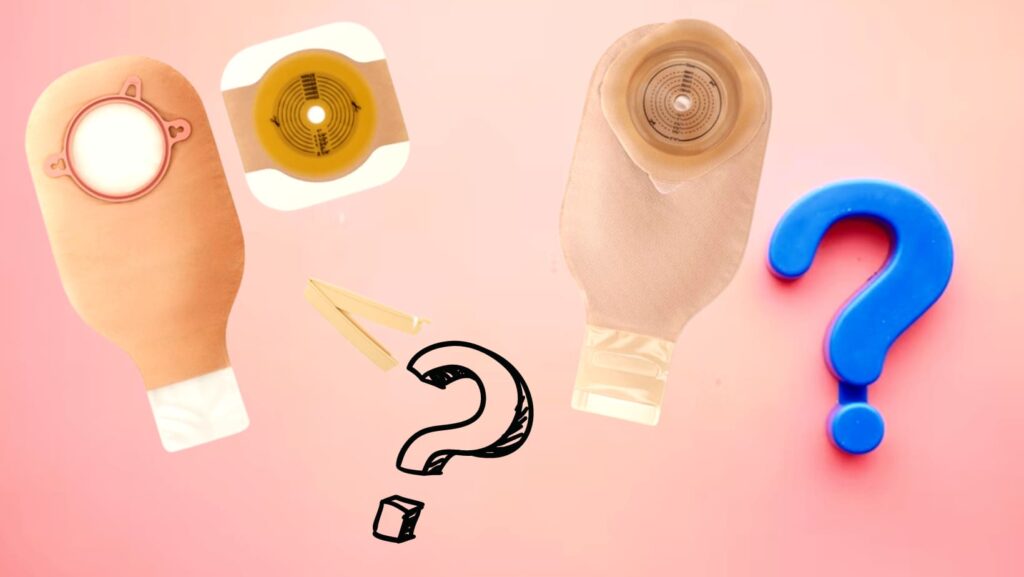
The two-piece systems are more complex, but they offer a more calibrated system adjusted to the user’s needs. The pouch and the skin barrier are attached together using a plastic ring called the flange, making it possible to replace each part individually. You can also remove the bag without removing the skin barrier, simplifying the process of changing the pouch when full or when the situation calls for a different kind of pouch.
The Right Skin Barrier for You
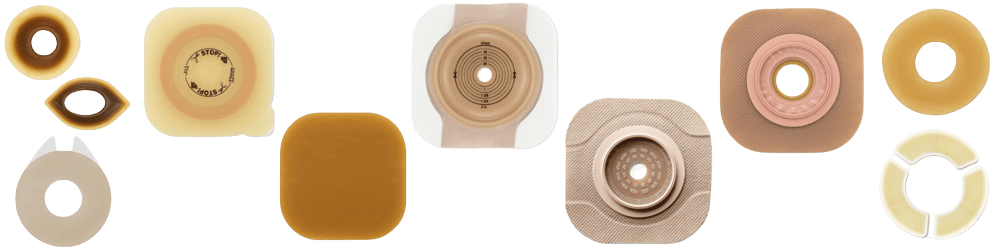
The skin barrier, or wafer, is the most important part of the system when the health of your stoma is concerned. This is the part that protects your peristomal skin from secretions and leakage, and holds the stoma open for the drainage pouch. You should keep an eye on your skin hygiene around the skin barrier. It is often overlooked, but skin health is important for the proper function of your ostomy and for your all-around comfort. It is a good practice to avoid harsh soaps and to use lukewarm water to clean around the edge of the skin barrier. This will help maintain a healthier skin.

The form of the barrier will depend of your stoma’s shape and opening. Some can be cut to accommodate an oval shaped stoma while others are round and shouldn’t be cut. Furthermore, the area and level of protrusion will affect which type of protection to use. Flat skin barriers are usually suited to a stoma of sufficient length located on a flat part of the abdomen. Convex skin barriers are used to accommodate stomas that are flush with the skin, are retracted slightly or are located in fatty tissue and skin folds. If your stoma has formed a lump beneath the skin or if it has herniated, then a concave skin barrier is the better choice. You may also need to add a barrier ring to your wafer to conform to a stoma retracted too far. This will help form a better seal and keep things out of where they shouldn’t be.

Rigidity and flexibility also vary. Firm barriers better hold a stoma in place while more supple wafers offer more flexibility and may be worn for longer periods without discomfort. The type of ostomy and other health factors will help to determine the level of rigidity and how long the barrier should be worn. As a general rule of thumb, if you have an ileostomy or urostomy, if your output is generally liquid of extra soft, or you tend to sweat a lot it is best to use a firm barrier flatly secured for a longer period. This helps to avoids accidents and complications associated with frequent changes. If you have a colostomy, your waste is well formed and your skin is healthy and in good condition you may opt for a regular use barrier that is softer and less firmly attached, making it easier to change.
The person in the best position to answer these questions is your doctor or other healthcare practitioner. They will be able to guide you towards the right equipment, usage and solutions regarding your particular condition. For example, a sensitive skin that reacts to adhesives should be dealt with swiftly before further complications occur. In this case, your doctor would most likely recommend a skin barrier with no adhesive.
The Use Is in the Bag
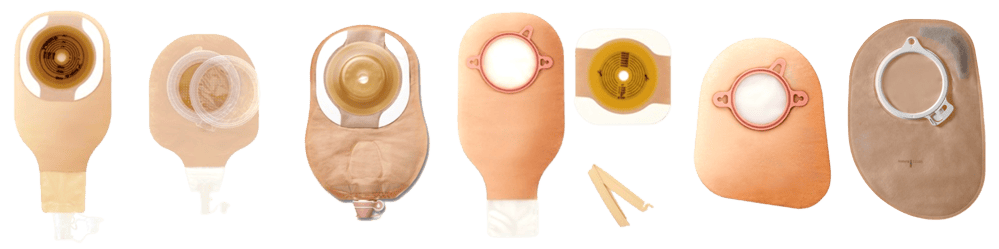
The final piece of the puzzle is the bag. Ostomy pouches come in different sizes and features, such as filters and closure systems. Drainable pouches a preferable is you waste is liquid and high in volume. You will usually have to drain the bag more often if you have a urostomy. Closed bags are preferable used for low volume or was that is too solid for a valve system to function properly.
Bags can also be opaque or clear. Transparent bags are useful if you need to keep an eye on your stool health, or to ensure that no complications arise with your ostomy. Opaque pouches are more of an aesthetic option. They hide the content of the bad which is preferable if no monitoring is needed. It is often appreciated by relatives (or the user) that might be squeamish.

Ultimately, your healthcare specialist will be the one to help you determine which ostomy pouching system meets your needs. Even so, it’s still a good practice to explore the products and solutions offered on the market. This way, you will be better prepared, informed and ready to ask pertinent questions to your doctor. Here at Équipements adaptés MCL, we have the resources and information to help you discover what options are available and what kind of products exist. Don’t hesitate to get in touch if you need help exploring the different ways of supporting your ostomy and to find the comfort you deserve.

-

How Do You Choose the Right Medical Chair?
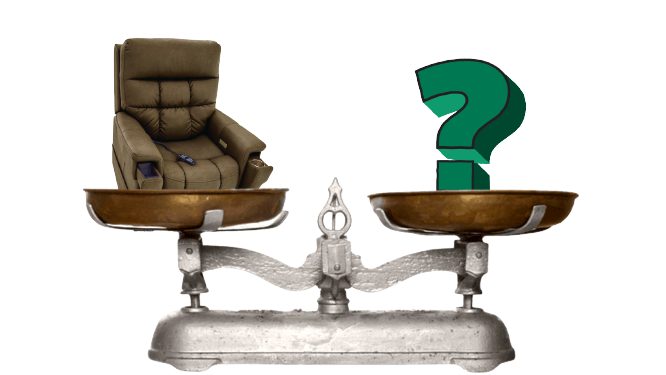
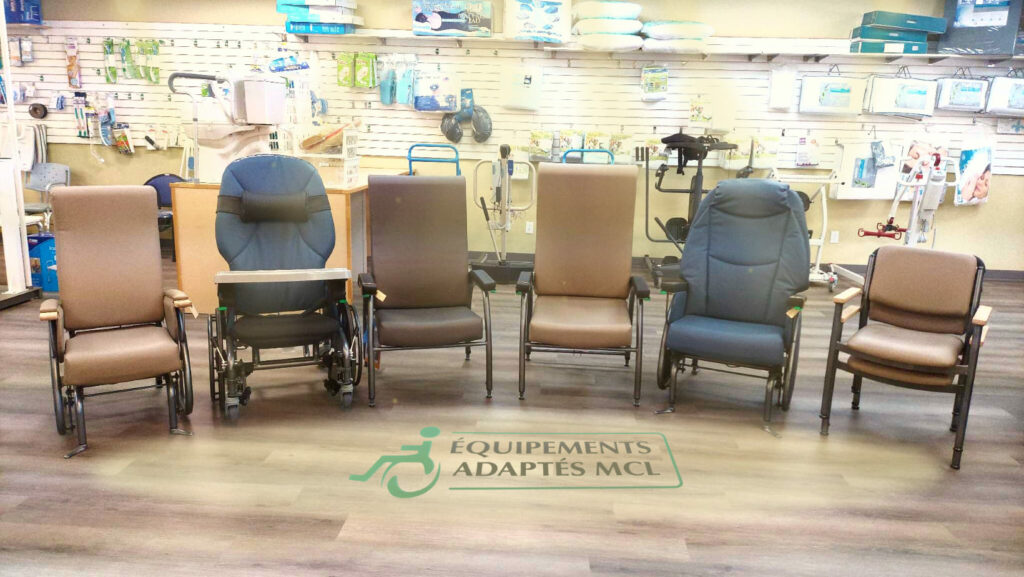
A power lift recliner is usually recommended for elderly people who have trouble getting up or sitting down. But are there are other types of chairs suitable for other situations? Well… Yes! If you are limited in mobility and dexterity, then that condition affects you outside the living room as well. As luck would have it, LPA Medical has a complete lineup of specialized healthcare seating designed for comfort and, most of all, safety.

Thera-Glide Self-Locking Glider Chairs
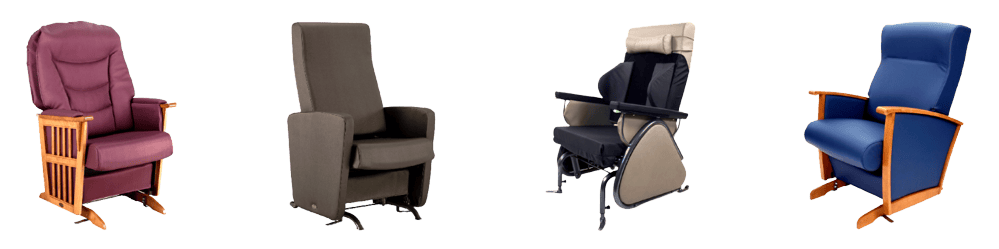
Everybody loves a good rocking chair. But their moving frame makes them a tad unstable to get in or out. Not the safest seating option for someone requiring extra support. The armrests, seat and backrest all move when trying to brace against them for support, making it a risky endeavor. The auto-locking gliding chair is the safest way to enjoy a good rocking. With its nifty locking mechanism situated in the backrest, the chair only moves once a person is fully and safely seated. The chair locks as soon as weight is removed from the back trigger, letting someone push off the armrests that are now standing sturdy. A much, much safer alternative.
The chairs are built using a wide variety of measurements, types of backrests, framing materials and upholstery. There is a Thera-Glide chair out there for you, whether it be for personal or institutional use.
Versatile Tilting Room Chairs
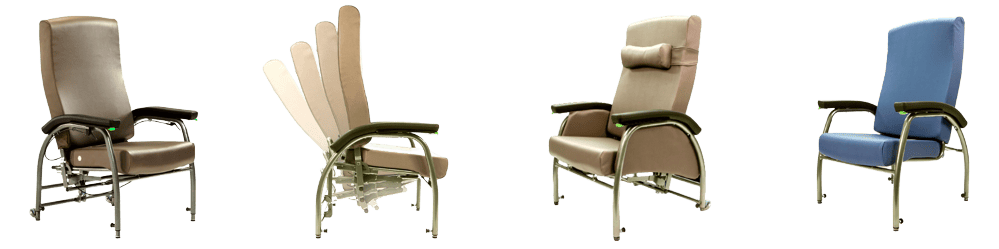
Designed by healthcare professional for healthcare professionals, the Versatile room chair is often seen in hospital rooms and other institutions. The height of these high back chairs is adjustable, letting you get in and out with more ease. The backrest is reclinable for extra comfort. In fact, this room chair is more than a recliner, as it also tilts forwards. By tilting the chair forward, it is much easier to get up and safer to transfer to another surface.
As an institutional tool, the Versatile patient chair are robust and covered with upholstery resistant to liquids and antimicrobial soaps. The metal frame is solid, it’s easy to clean and has options and accessories. As a high back patient room chair, the Versatile takes the cake.
Utility Adjustable and Stackable Chairs
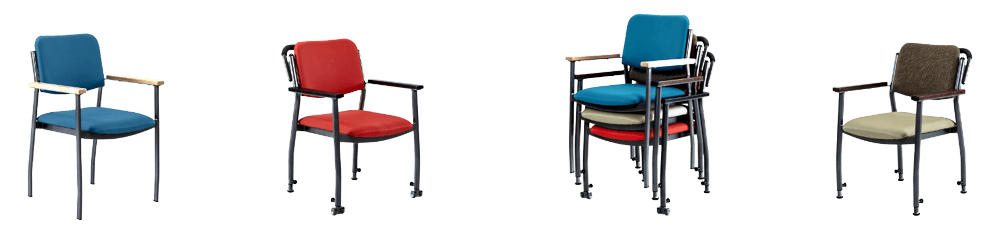
In some cases, a smaller solution is needed as a bigger chair would be too cumbersome. The perfect example is at the dining table where most chairs are too low. A straight chair is ideal, but our high backrest room chairs might be a tad too large in this case. This is where the Utility multipurpose stacking chairs come in the picture. They are easy to clean, the height is adjustable, weighed for extra stability and have a few accessories (such as front wheels) for particular situations and needs. A perfect solution to get the right support at the right height in the dining room or working at your desk.
Although useful in the home, these chairs were actually designed and developed for long-term care environments such as retirement homes, clinics and the like. They are robustly constructed and durable yet comfortable. Easy to clean and designed with antimicrobial materials. Stackable, equipped with handles, and simple to use, these chairs are an excellent solution in dining rooms, waiting rooms and common areas.

Finally, LPA Medical produces a wide range of medical that are convenient, simple to maintain, easy to clean and most of all that are safe. Whether for your home or institutional residence, the self-locking Thera-Glide gliders, the tilting Versatile patient room chair, and the Utility multipurpose stacking chairs are comfortable and reliable options. More often than not if a power lift chair is recommended to you, other options might work just as well.
At Équipements adaptés MCL, you can be certain that we will find the medical chair perfectly suited to your needs and usage. We have access to a wide range of medicalized seating and it would be our pleasure to help you in your process.
-

How to pick the right posture pillow ?

A good restorative sleep is important for your health. Unfortunately, many medical conditions may hinder the quality of your sleep, such as muscular or skeletal illnesses. In such cases, it can be helpful to maintain a good sleeping posture in order to protect your comfort during the night.
Getting on your good side

In which position do you sleep best ? Some pillows are designed for side-sleepers, while others a better for those sleeping on their back. The ideal sleeping position depends on your particular health condition, of course, but it is mainly a question of personal preference. After all, we aren’t in your pajamas, only you can know best how sleep comfortably.
Pillows for sleeping on the side are usually thicker, and have a curve designed to fill the empty space between the shoulder and neck. Such a design aligns your neck with your shoulders all the while maintaining the horizontal orientation of your head.
Pillows for sleeping on the back are thinner, and have a slight curve at the nape of the neck. This cushioning positions the head horizontally, preventing unwanted craning of the neck, either by pushing the head forward (with your chin towards your chest) or backwards (with your chin towards the ceiling).
Some pillows, such as the Ortho-Cerv, can fit both positions. You only have to orient the pillow the right way so the cushions support your head adequately. As with every pillow, you need to pick the right size, or else it won’t be able to support your head.
Lean back and sleep tight

If you have respiratory issues, sleeping with an incline of the back may provide you comfort. If your condition is temporary, as with a surgery recovery or a simple seasonal affliction, it is generally exaggerated to buy an electric bed for its articulated back. In such circumstances, a triangular body wedge cushion can provide you with the relief that you need. These wedge pillows will prop your back towards the front, which should ease your breathing when sleeping. The right size of the cushion, and as such the degree of the tilt it will provide, will depend on your personal measurements. The right cushion cover will depend on your particular comfort needs. Generally, the Orthex triangular cushions are comfortable options, as they have a soft coconut cover.
The right placement of the body

Regardless of your preferred sleeping position, it might become the case that your medical condition requires positioning aids during sleep. If you need to have your legs raised, or your hips aligned a specific way, or your knee held in a bent position, you can use a specialized cushion. All kinds of positioning pillows are available, for example, a body posture pillow is ideal to sleep on the side, with the knees supported in a way as to avoid the crossing of the hips.

To conclude, the right pillow could be what is missing for a comfortable and restorative sleep. Source of well-being, postural cushions will help you to limit pain caused by skeletal and muscular ailments. Do keep in mind that pillows and cushions are comfort tools, but are not by themselves a cure for pain. It is always possible that you find a theoretically perfect pillow to be uncomfortable, or the other way around. Your comfort is yours, but at Equipements Adaptés MCL, we can help you find it.

Here to find your Mobility, Comfort and Liberty!
-

How to Choose the Right Catheter ?
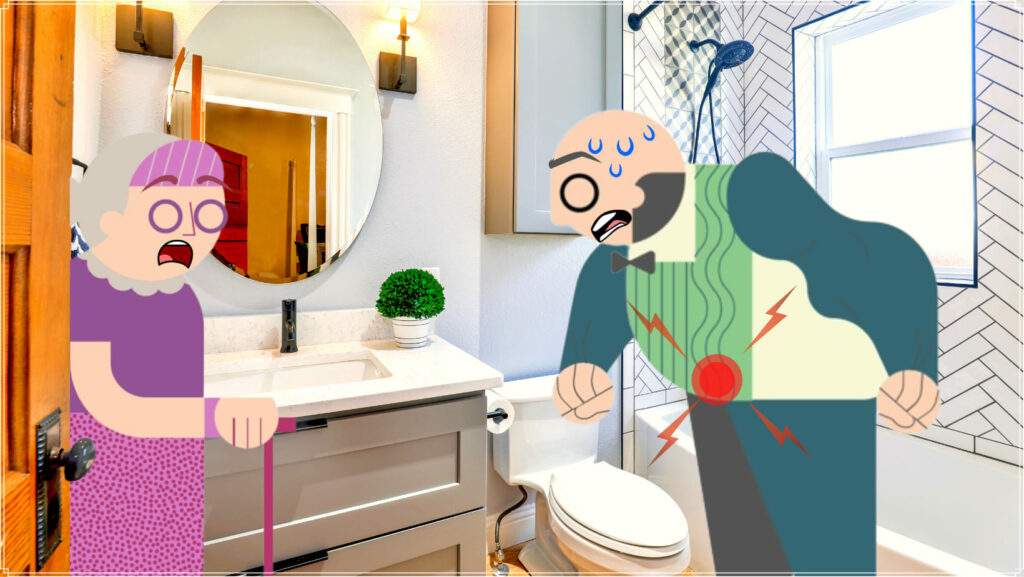
Many health conditions can cause the need to use a catheter on a daily basis. Depending on your particular medical needs, the type of catheter, and the context in which you will have to catheterize yourself will change. It therfore is of paramount importance that you consult a healthcare specialist in order to find the right type of catheters for you.

That being said, the incredibly wide variety provided by the manufacturers can make it difficult to find the right urinary product for you, even for trained specialists. Ultimately, you will be the one to live with the consequences of the choice of catheter. As such, it can be helpful to explore the available options. Furthermore, if you are helping a relative or loved one in their daily struggles, it can be interesting to learn how urinary catheters are used, if only to provide a favorable environment.
The Usage of Catheters

All catheters are not used in the same context. Intermittent catheters
 are used to empty the bladder as needed, which can occur one to six times per day. Closed-system catheters
  gather urine in an attached bag
  , either hung near the bed strapped to the user’s leg, and are used to measure the quantity of urine produced over a given time. Foley catheters
  are built with a balloon in order to affix them inside the bladder, to provide a more permanent catheterization.
 Some urinary catheters are packaged in a way to make them easily used, especially while on the road or when travelling. These urethral catheters are often pre-lubrified and packaged to avoid contamination when inserted.
For every-day use, inside the home or in a clean and sanitary environmnent, it is possible to buy the lubricant and sterilizing towelettes of our choice, in order to provide optimal comfort when using catheters.
The Caracteristics of Urinary Catheters

Catheters are specified by their material, length, tube diameter, and shape of the tip.
Catheters are made of different materials, including latex. If you have an allergy, it is extremeley important to verify what material the catheter is made of before using it, as it could cause significant irritation or other serious complications.
Vesical catheters are fabricated on differing lengths, mainly distinguished between men-sized and women-sized. Because of their longer urethra, men generally need urinary catheters around 40cm in length. Women and children typically need a shorter sound, and can use catheters that are anywhere from 7 to 20 cm long.

Urinary catheters are available in many sizes. The diameter of catheters is normally measured based on the French Gauge (FR) scale, in French called the Charrière (CH) scale. This scale is based on the metric scale, where one French is equal to one-third millimeter. This means a 3FR is equal to 1mm. The right size of a catheter should be determined by a health specialist. Too small a tube will cause leaks, but too wide a tube can cause serious discomforts or even wounds.

Catherers can be straight or curved. Tiemann catheters, sometimes labelled as “coudé”, have a slight curve on its insersion tip. That curve is to make it easier to push the sound all the way to the bladder by following the natural curves of the urethra. This is particularily useful for men, since they are easier to handle so they don’t get caught in the prostate or in the bladder neck.
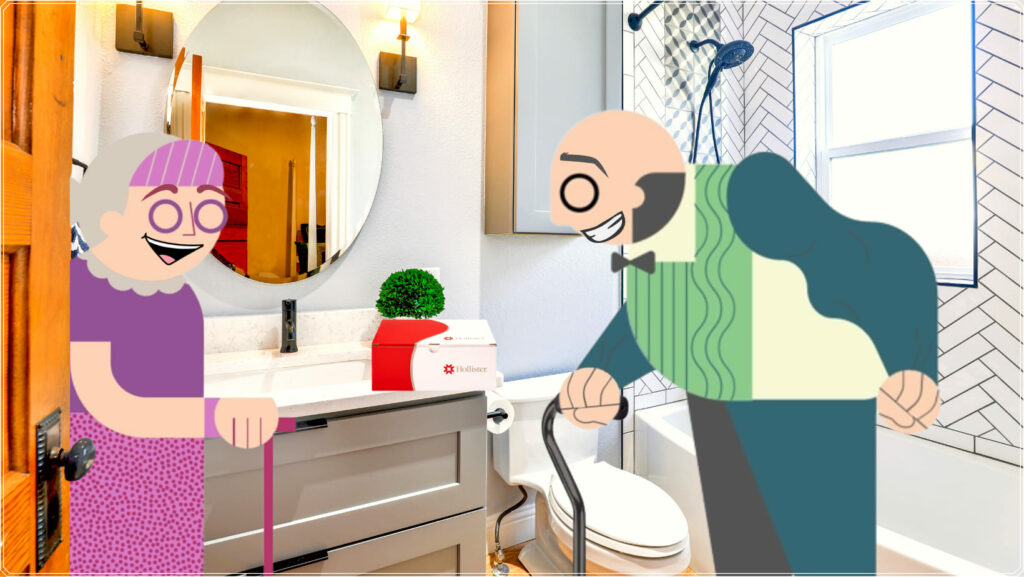
Ultimately, your healthcare specialist will be the best suited to inform you about your catheterization needs. Still, take the time to reflect on your personnal preferences, and note the caracteristics of the catheters that are recommended to you by your physician. That way, you will be able to compare for yourself the different urinary products that are available to you, so that you can find the safest, most comfortable, catheter system. You can also contact us, here at Équipements Adaptés MCL, in order to learn more about the urinary and urology products that are available on the market.

Helping to find Mobility, Comfort and Liberty !
-

How to Choose the Right Mastectomy Bra ?

Every body is unique. As such, there are a myriad of sizes and fittings of bras. Finding the right one for you can become a struggle and result in many discomforting tryouts. Furthermore, the changes brought to the body by a mastectomy need proper consideration or else we risk bringing even more discomfort and health complicationswith the wrong bra. Think about it, up to two women out of three wear a bra which is ill-suited to their bodies. Fortunately, an adjustment specialist can guide you through your measurements and help you pick the right bra from the many available products on the market.
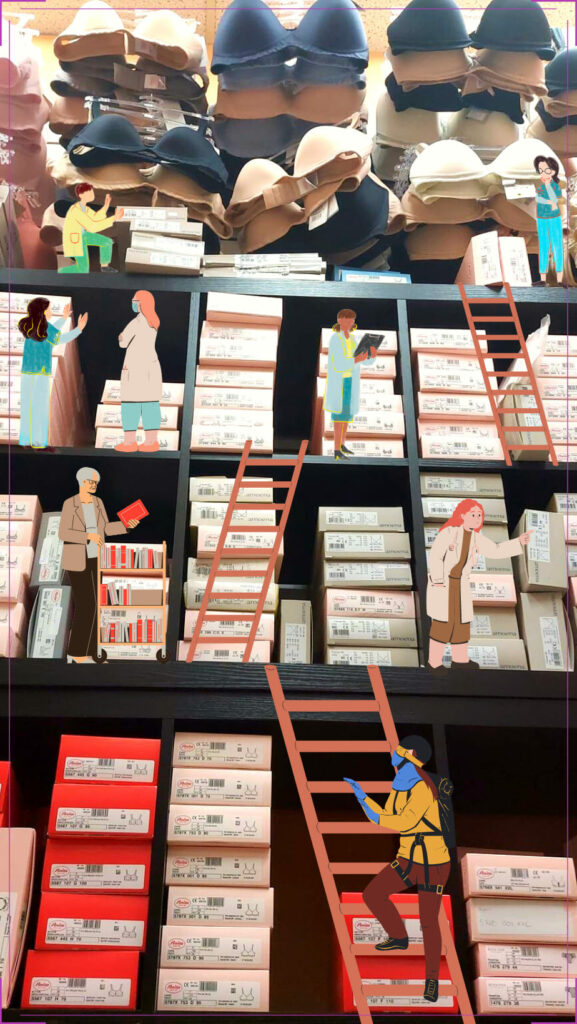
Adapted Bras for Unique Bodies

Your body is unique, and to be truly comfortable, you need the right bra fitted to your size. To guarantee your comfort, there are many factors to consider.

Firstly, the cup: there are many cup forms, and the right one depends on the size of your rib-cage and the width of your breasts. The whole width of a breast is calculated from below the clavicle to just under your armpit. With the right cup size, the breast won’t overflow, nor will it stay loosely unsupported. For example, some models such as the Dorothy is specially fitted for a more shallow bust. Of course, the trained eye of our adjustment specialist will tell you precisely which cup size fits you best.

Secondly, your general posture will determine the right bust size and the shape of the bra. To prevent the shoulder straps from slipping off, or the underwire from hurting you, it is very important that the bust size be right for you. If the back band is too tight, you will quickly find it uncomfortable. If it is too loose, it will slip upwards. If the shoulder straps are too long, they will tend to slip off, if they are too tight, they will dig painfully into your shoulders. If the bust strap is too loose, the bra will slip upwards from the front, but if it is too tight, skin bulges will form under your arms. Furthermore, the context in which you will wear the bra is also an important factor. During an exercise session, for instance, it usually is wise to wear a specially designed bra for such activities, like the Amoena Sport Performance.
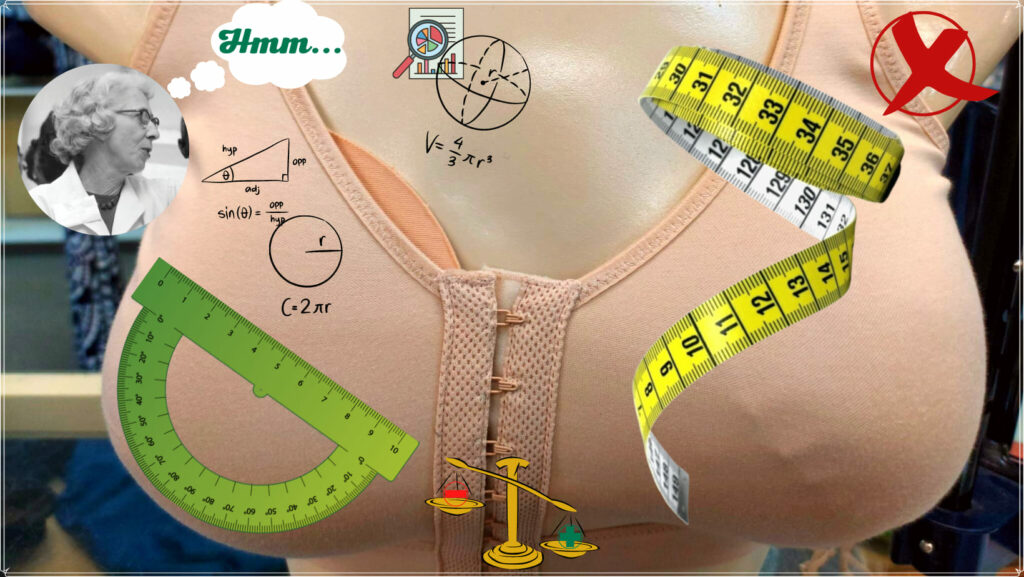
To adequately take your posture into account, we have to observe whether or not your upper back is leaning forward or not, measure precisely your torso, and know which type of mastectomy you have received, if any. In some situations, it is preferable to consider better back-support for the bra, especially for those with a large bust. In these cases, models like the Mandy Silhouette are designed precisely to releive the shoulders with a set of special elastic straps. Again, our specialist will easily be able to take all these measurements and provide you with the right assistance to help you find the right comfortable bra you need.
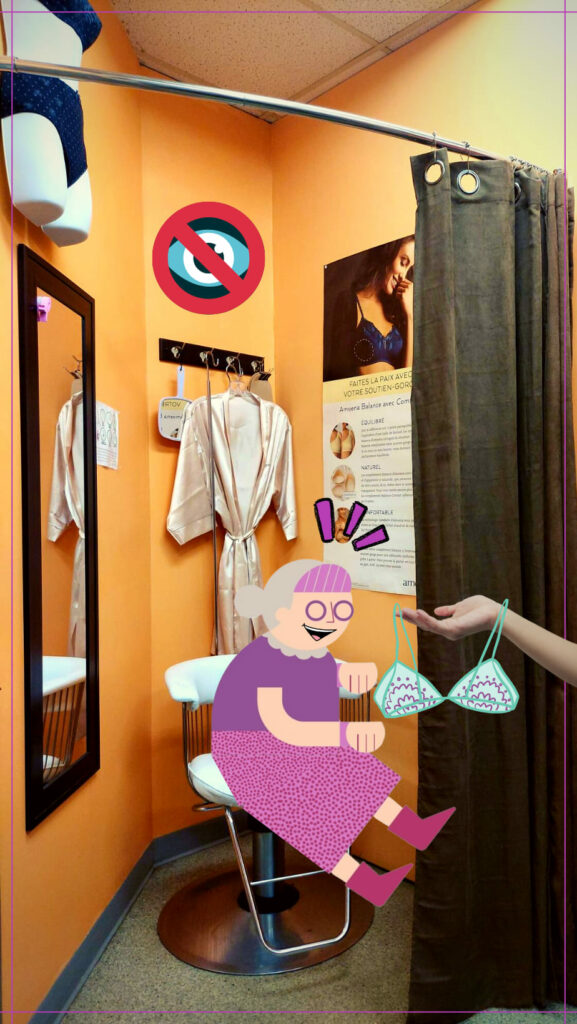
Mastectomy and Torso Balance
Be it partial or total, a mastectomy has a significant impact on a woman’s body. With regards to bras, removing a breast unbalances the torso, which can cause postural complications to the shoulders and back. In such cases, choosing the right bra can help you in rebalancing your torso.
With already a multitude of factors to consider when choosing a bra, taking a mastectomy into account isn’t a simple task. The type of surgery, whether it be total or partial, whether or not you wear a prosthetic, will have a significant and unequal impact on the measurements required for your bust, which complicates the choice of your bra. Specialized bras are designed specifically to receive and hold a prosthetic in place in order to rebalance comfortably your torso. Such products provide balance to your upper back and shoulders in order to prevent further complications to your surgery. These specialized bras are available in a wide variety of sizes and shapes in order to comfortably fit every possible combination of measurements and surgery types.
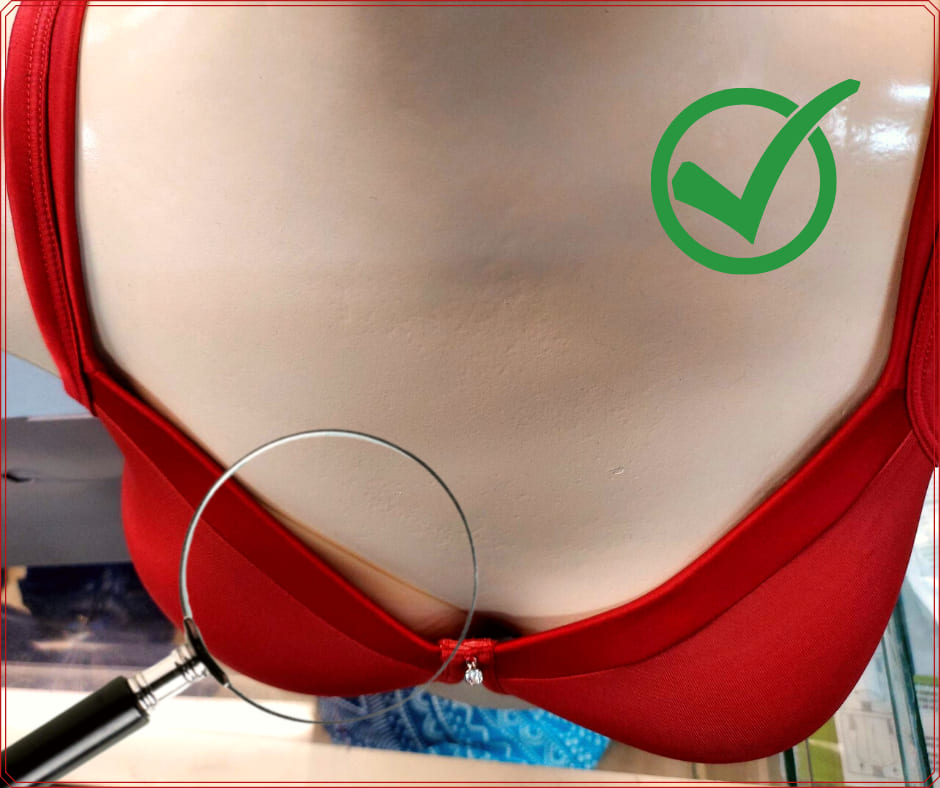
As you have found out, picking the right bra, especially following a mastectomy, can easily prove to be much more elaborate an ordeal than we might believe. Luckily, here at Équipements Adaptés MCL, we have access to a wide variety of specialized bras which, without being custom-fitted, will be well fitted to your unique body. Our adjustment specialist will be able to assist you by taking the measurements you need in order to help you pick the right item for your personal comfort.
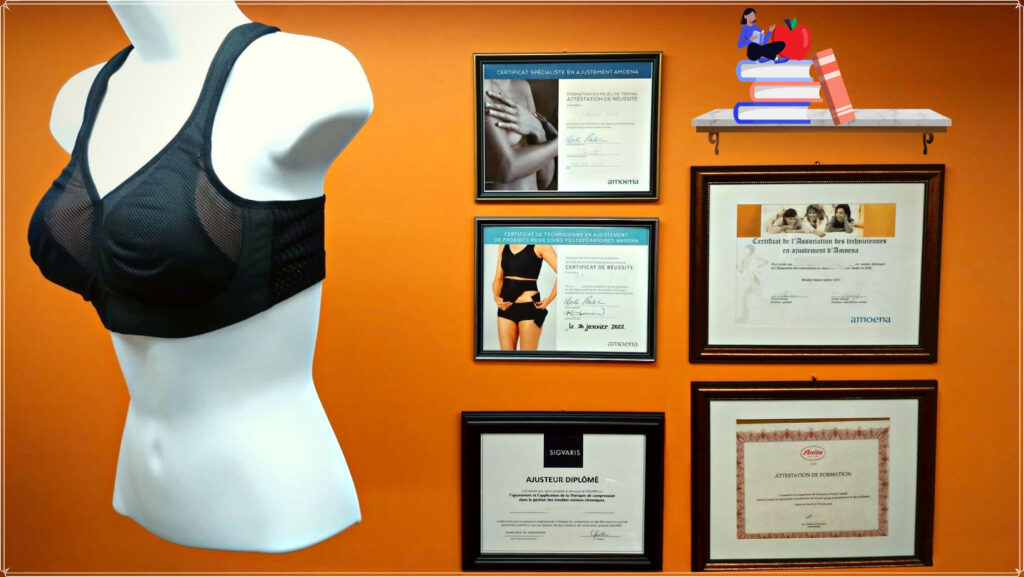
With over 20 years of experience, we can help you to find the best bras you need, and replace the ill-fitting and uncomfortable ones with the right tools that will bring you great figure and comfort beyond age and illness.