Your cart is currently empty!
Blog
-

Why is reading useful?
Reading : a natural remedy
Reading, an activity that might seem banal, but that brings many benefits to both the body and mind. By escaping through the written word, we can discover an infinity of universes that can bring us everyday to new adventures.
Beyond the simple entertainement value of a good novel, reading stimulates the developpement of cognitive faculties. The brain, governing organ that it is, needs regular training like any other part of the body. The better trained it is, the stronger it becomes. It is proven that with proper mental stimulation, the progress of dementia and Alzheimer’s desease can be delayed. And there is more !
Reading also trains memory in general. All along the story, your brain needs to store information so that you can follow the goings-on of the narrative. Therefore, reading trains concentration and memory retention. By really diving into a good book, you train these faculties that would stay passive by simply watching mindless content on your television.
Furthermore, for those struggling to sleep, reading can provide a healthier alternative than sleeping pills, as it relaxes the body in much the same way as medication can do.
Read. fine, but what?
Be it an adventure novel or a travel journal, a philosophical essay or a murder mystery, a biography or a novella, dive into whatever strikes your fancy.
Go to your local library and perouse its aisles. The myriad titles are bound to have at least one interesting title. If you still can’t find anything interesting in your local library, take a ride to the Bibliothèque Raymond-Lévesque in St-Hubert. With its two stories of books, the youth section near the entrance and the political section on the second level, you doubtlessly find something that will fascinate you as you walk in the surrounding park.
For those new to the hobby, here is a small list of some titles that might interest you.
ROBINSON, Kim Stanley, Aurora
ASIMOV, Isaac, Foundation
COLLECTIF, Contes et légendes du Québec
VONNEGUT, Kurt, Cat’s Cradle
BROWN, Dan, The DaVinci Code
MELVILLE, Herman Moby Dick
For those already passionate readers, I strongly recommend you go to the Librairie Alire, my favorite destination to endulge my reading hobby. This little book store has a wide array of titles, and its staff is friendly and well-read. Take the time to learn about the Club Alire ; this will give you access to discounts. Thanks to them, I managed to buy a copy of Critique of Pure Reason by Emmanuel Kant for the very low price of thirty-seven cents. At 856 pages, it’s price by the page is pretty low !
-

Autonomous mobility within everyone’s reach
As is well known, eating habits and daily exercises have a direct impact on our health. With healthy life habits, the results appear quickly and encourages us to keep up our efforts in this way. On the other hand, bad habits over a long period of time have long-term consequence that tend to appear only after many years.
Even though mobility loss isn’t directly correlated to age, many elderly people are confronted by it. As many products have been created to assist those with limited mobility, it is important to remember that all solutions don’t apply to everyone. It is crucial to find the right tool for the right problem, so that one can find the adequate solution to bring them autonomy, safety, comfort and dignity.
Cane, walker, rollator, wheelchair, mobility scooter… Which is best?
The massive variety of mobility products can cause headaches for those confronted by it for the first time. The first step is to consult with your health specialist, which will know best what you truly need to assist with your medical struggles. You might also want to come by Équipements Adaptés MCL, where our experienced team can guide you through all the available products in a compassionate and patient way.
What does it mean to be “Adapted to your needs” ?
It is important for one’s health to stay active, both by body and mind. Someone who doesn’t leave the house by fear of falling or sudden fatigue will be closed off. Social interactions are a vital part of one’s health. Even though family and friends come and visit once in a while, their busy lives prevent them from visiting as much as they might want, or you might need.
Cooped up indoors, one becomes isolated, which can lead to an anxiety concerning the outside world. As our contact to the world becomes limited to television or the internet, where the news are rarely good, we become burdened by a darkened conception of the oudoors.
Even as a walker might be ideal to walk inside the home, it is rarely adequate to walk for prolonged periods outdoors. For many, the rollator is the better option to go out and walk on the sidewalks and local parks. With it’s intergrated bench, you can sit down when your legs become too tired to push on. For those unable to walk, a transport chair is ideal for outings for two. As one can rest in the wheelchair, the other can push it, meaning both can enjoy their time outside. For those wanting to traverse longer distances on their own without driving a car, a mobility scooter might be the right solution. Some scooters are designed for both indoor and outdoor usage, and others are better for long treks to the park along bicycle lanes, meaning you might just be able to go and visit friends and family.
It is important not to provide an “over-adapted” or and “under-adapted” solution to a mobility problem.
Obviously, an “under-adapted” product simply won’t fill the user’s need, be it safety or mobility. On the other hand, an “over-adapted” product might preclude its user from fully using their motor capacity, leading to a degradation of their overall mobility. It is our philosohpy that autonomy should be encouraged, and not stifled by excessive usage of mobility products. As an example, it wouldn’t be advisable to use a wheelchair if a simple walker would suffice.
I’m looking to adapt the home of one of my relatives. How can I evaluate their needs ?
It can be difficult to figure out the precise needs of someone with limited mobility. Often, they may refuse to change their life habits or refuse to acquire a mobility aid. Pride, fear or ignorance may reinforce such refusals. We have to accompany them respectfully through their choices and towards acceptance of their conditions.
Some products, such as bed rails, wall-mounted grab bars, super-poles, or even lift-chairs can assist one with their mobility while indoors. Often, some fear these new installations might be ugly. In many cases, they become a constant reminder of one’s frustrating physical condition. Purchases made by a relative are too often returned, or hidden in a closet never to be used. A consistent refusal of specialized equipements might be a symptom of a refusal of one’s condition rather than the equipements themselves. There are nevertheless discreet and esthetic choices available to harmonize one’s home with the equipements.
To avoid unnecessary purchases – and please note that many hygiene products cannot be returned once purchased – and the inconvieniences it might bring, we recommend speaking to the person beforhand, in order to provide the right equipement with regards to their condition and needs. We also recommend inquiring about the myriad of different products available for many specific conditions.
Overall, even though buying specialized equipement might not seem thrilling, it is essential to take the time to learn about the many available products, the specific condition and needs of the user. With the right choice, you will be able to provide the right support and solutions in order to bring them safety, mobility and quality of life, all of which can lead to a better physical and mental health.
-

Why stay active as you get older?
As is often said : being active is important. Our health specialists and relatives all agree and try their best to hammer it home. Stay active ! As gyms crop up around every corner, when cooking shows all claim the brand new dietary trend consisting of kale and chia, all foods unkown to us before the 21st Century. Throughout juice cures and gluten-free, lactose-free, OGM-free diets, one struggles to make head or tails of it all. Let’s try and make some sense of it better then perousing through magasines.
What does it mean to “be active ?
Practice physical exercice
With time, your aging body finds new limitations previously absent to it. At any age, it is important to move according to one’s capacity. A wide range of exercice are possible, according to any limitations you might struggle with.
Your arthiritis keeps you from walking long distances?
Work your balance on an exercise ball. That way, you can work all the muscles of your body without putting weight on your joints.
Your hips are too painful for an exercise ball?
You can lift weights to tone the muscles of your armes. Of course, pick the weights according to your strenght ! No need to impress anyone. A weight of 3 or 5lbs lift enough times would be plenty to work on long-forgotten muscles.
Your arthritis makes it hard to hold onto weight?
With an exercise peddler, you can strenghten your arms, legs and cardio all the while sitting in your living room.
Always check in with your health specialist before trying a new trianing regime. They might be able to advise you towards the right exercises, and keep you away from the wrong ones. Your body is unique, and all exercises aren’t suited for everyone. Please be cautious and check in with your physician.
« Depending on the origin of the pain, some exercises can be modified by a professionnal. That which is clearly shown, is that we must continue to train. In fact, it is recommended to reduce the length of the exercises, but to increase the frequency during the day. »
DIONNE, Isabelle, Ph. D.
Professor, Faculté des sciences de l’activité physique
Université de Sherbrooke et Centre de recherche sur le vieillissement
RIESCO, Eléonor
Professor, Faculté des sciences de l’activité physique
Université de Sherbrooke et Centre de recherche sur le vieillissement
FONTAINE, Marie-Noëlle, B. Sc.
Kinesiologist, SercovieThe only bad exercise is the one we don’t do.
Get out of the house
Even as many exercises can be made from the comfort of your home, nothing is better than fresh air. Take the time to go outside your home at least once a day, even if only to walk around the block.
Many activities are open to you outside your home. Instead of reading in your living room, why not simply take in some sun and read in the park ? If the weather is too grim, you can still go to your local library. It would at least change the scenery.
Instead of drinking your coffee alone at your table, why not go out and take a coffee with a friend ? Many social activities of the kind are organized to help those struggling with loneliness, keep a eye out for those.
Beyond physical exercise, simply going outside provide many benefits for both body and mind. Here’s a simple challenge : Shut the TV off, if only for a day. Do something else, leave the house and notice the well-being that will bring you.
Eat better
at better
What does eating better have to do with staying active ? It’s simply a way to better your health. The longer you’ll stay healthy, the longer you can enjoy all the treasures life has to offer.
Even as many drastic changes can be brought to a typical north-american diet to promote a healthier body, you don’t need to completely change the way you eat to do so.
With age, your metabolism slows down. It is usually best to reduce the portions eaten, as the body needs less energy throughout the day. Vegetables, fruits, a handful of nuts and a tall glass of water are safe bets, both as snacks and light lunchs.
« Protein-rich foods provide plenty of other nutrients essential for good health, such vitamins and minerals. And as exercise also bring a healthy appetite, eating enough protein and exercising is a double victory … with sturdy bones and muscles, and a good health ! »
PAYETTE, Hélène, Ph. D.
Professor, Faculté de médecine et des sciences de la santé, Université de Sherbrooke
Researcher, Centre de recherche sur le vieillissement, Centre intégré universitaire de santé et de services sociaux de l’Estrie – Centre hospitalier universitaire de SherbrookeStimuling the intellect
Staying active is both a physical and mental endeavour. Keeping your wits sharp by reading, or by sovling puzzle games such as crosswords and sudoku, keeps you alert and pushes back the deterioration of your cognitive faculties such as memory loss or Alzheimer’s desease.
A sedentary lifestyle dulls the mind. Television, sensationalist media and plain old routine do not stimulate your mind. Consider better aleternatives, such as reading a good novel, or the biography of a celebrity dear to you. Organize meetings with old and new friends and talk about anthing. Be careful, though, as while it is fun to comemorate the good old times, the present and future is important to keep in mind in your discussions. Even at an advanced age, sharing with peers is a good way to stay in touch with the world, and keep a positive outlook on life.
To sum up, if you take measures to leave your home regularily in order to change settings and take in fresh air, if you keep your mind sharp and training a few times a week, you might just push back isolation, physical and mental deterioration.
Don’t worry about your ills. Don’t let yourself become bored. Fill your weekly schedule of fun and engaging activities. Your mood and your health will thank you for it.
-

Achieve comfort beyond the taboo
It is never easy to fully understand the everyday challenges of those suffering a loss of autonomy. So many small tasks and activities can seem naturally easy to execute, but can represent monumental efforts for some. Furthermore, their struggles often aren’t limited to their autonomy, as uncontrolable physical limitations can seem unsurmountable.
This article covers a specific confition too often avoided. We skirt around the subject, murmur about its symptoms, and generally avoid speaking of it, be it by shame, discomfort or simple malaise. I will speak of incontinence. As many solutions exist for such a condition, but those afflicted may need help from their close-ones.
By default, it is made into a taboo. We speak of it in hushed tones, almost in shame, as if not speaking about it whisks it away. Needless to say, it isn’t an effective method.
Firstly, let’s break a misconception.
Incontinence is not linked to age.
Even if incontinence is often present for women aged 60 and older, age isn’t a causing factor. Other factors, themselves caused by age, such as menopose for women and prostate hypertrophy for men, can contribute to the developpement of incontinence. Nevertheless, almost every case can be treated, and in some cases even cured.
Before moving on with the informative details of this article, please remember that it does in no way replace the advice of your health specialist. As this article adresses incontinence in general terms, the best way to treat your particular needs will be provided by the expertise of your physician.
What are the prime causes of incontience ?
Incontinence is caused by a disfunction of the bladder and the muscles of the pelvic floor, either by muscular, nervous or other physical causes.
Are there many types of incontience ?
Absolutely
Stress incontinence
These are the urinary leaks caused by coughs, laughter or other physical efforts. In this case, the muscles aren’t strong enough to keep the urine inside the bladder.
Urge incontinence
It can be felt as a sudden need to urinate. Often it is too sudden to reach the toilet in time. It is caused by an irritation or hyperactivity of the bladder. The dysfuntion can be nervous, as normal signals aren’t transmitted adequately between the bladder and the brain.
Mixted incontinence
It is the combination of stress incontinence and urge incontinence.
Funtionnal incontinence
Sometimes, the physical conditions of a person lead to a loss of mobility. Such a limitation can cause a slowing of movements which prevents one from reaching the toilet in time. This situation leads to functionnal incontinence.
Nocturnal incontinence
It is the incapacity to control one’s bladder during the night.
What can I do to manage my own incontinence ?
By performing Kegel exercises, you will reinforce your pelvic floor and therefore reduce the consequences of stress incontinence. By urinating often – some keep a journal of their urinations, for personal information but also to provide data to a health specialist – and training yourself to hold your urine for longer periods of time, the bladder strengthens itslef which reduces the symptoms of stress incontinence.
In your every-day life, you can try reducing diuretic foods and drinks, such as coffee, alcohol or tea, to reduce the need to urinate. Make sure to stay adequately hydrated by ingesting a sufficient amount of liquids throughout the day, but you might way to limit your liquid intake two to three hours before bedtime.
When urinating, try to completely empty your bladder, which reduces the risk and volume of involutary leaks.
But I’ve tried everything, and my incontinence is constant. What else can I do?
Many products are available to assist you in your dealings with incontinence. Absorption pads (Which are not the same as sanitary napkins, which do not absorb a great enough quantity !) and briefs can provide you adequate support. Do note that these products have no curative value, but they can bring comfort, safety and freedom to live your life.
Incontience brings concerns that are too often neglected by those trying to help. Even though it is a medical condition that has obvious physical sympotms, many psychological consequences also arise. The loss of bladder control can cause among many the feeling of a loss of dignity that needs to be adressed with the same diligence as the physical manifestations of incontinence.
I’m afraid to leave the house, since incontience might strike as I visit my friends and family.
All the while training yourself with the exercises mentionned earlier in the intimacy of your home, it is possible to use protective products such as pads or briefs when you leave your house. They might just provide you with the tranquility of mind neede to enjoy your activities.
I don’t want my friends and relatives to know about my condition. I fear the briefs will show.
Your medical condition is your perivate business. You have the right not to divulge it. There are many incontinence briefs, of many shapes and sizes, of which one might just be the discreet solution you are loking for. In many cases, a simple absorption pad is plenty of protection for daytime incontinence, both for men and women.
When I suffer a leak, a strong odour appears. I don’t want it to show in public.
Incontinence products provide a surprisingly strong protection against foul odours. With the right product for you, you’ll be able to control these odours.
My incontinence bothers me greatly. I don’t want to talk to anyone about it. Could I find the right solution by myself ?
By reading reliable articles, it is possible to find the right product for your condition. Nevertheless, it is always better to ask for the expertise of an expert, who is well documented on the different types of incontience and the different solution to it. As getting a appointment with a physician can be a long and complex procedure, we would like to invite you to Équipements Adaptés MCL Inc., where we can help you. For a quick, compassionnate and professionnal consultation, simply come by our store where we will take the time to inform you of the many possible solutions to your affliction. We also have a free sample program for those starting out. That way you can try the different products without spending a fortune.
We have your comfort and dignity at heart.
-

Freedom through adapted equipment
The human body is a frail vehicule. All along our life we accumulate stress, light or not-so-light injuries, bad life habits that slowly but steadily strain our precious body. After some years, this accumulated usage props up new needs and difficulties that were so far unseen.
Specialized equipments is a vast and rich field. Plenty of products have been designed specifically to ease the life of those afflicted with mobility, or even cognitive, loss.
Why should I use specialized equipments?
It is actually pretty rare that we seek such tools without needing them. Often, a physical or cognitive limitation brings forth the need for such equipments. But it is not weakness. The process of discovering new struggles is a perfectly natural one. Specialized equipments are made to assist people struggling to maintain their autonomy in their every day life. They help use with things as simple as writing a note, eating, washing and dressing, all in a safe, dignified and autonomous way.
How can I find out if a specialized equipment is suited to my needs?
Many public services, such as the CLSC, can provide consultations with physiotherapists and occupational therapists. Furthermore, by simply discussing the situation with your physician, you can find the right information with regards to these services.
In the private sector, health specialists of all kinds, such as physiotherapists, occupational therapists and more, can be found. These services can be easily found online, or referred directly by the CLSC.
Of course, we can help you with regards to the equipements themselves. Our sypathetic and well-trained team can provide you with all kinds of information. It is always our pleasure to explore the possibilites specialized equipements might bring you, and answer any and all questions you might have.
Can I afford to purchase specialized equipments?
The price range of specialized equipements is extremely wide, but quality products are affordable for reasonable prices. Of course, we aim to help you find the right item to fill your needs, including the right price range, but keep in mind high price and high quality don’t always go hand in hand.
If your financial situation is precarious, but the acquisition of a particular equipement is essential to you, consider looking with your CLSC, as many governement programs are there to assist those with particular needs. You might just be eligible to some such aid.
One of my relatives needs to use a specialized equipment, but refuses to do so. What can I do ?
Some individuals struggle to accept the condition that requires specialized equipments. We must be patient and accept their choice. By pushing them to strongly, they might rebuke even stronger the idea that they need it. We invite you, if your relative accepts, to come by our store simply to perouse the items we have. With the help of our team, that can show how handy most products we offer are, you might just convince them to accept to ease their struggles.
Équipements Adaptés MCL has the mission to find the right tools for your specific condition, so that you can maintain your mobility, comfort and liberty, all the while bringing you and your relatives a better quality of life.
-
How to buy a used electric bed?
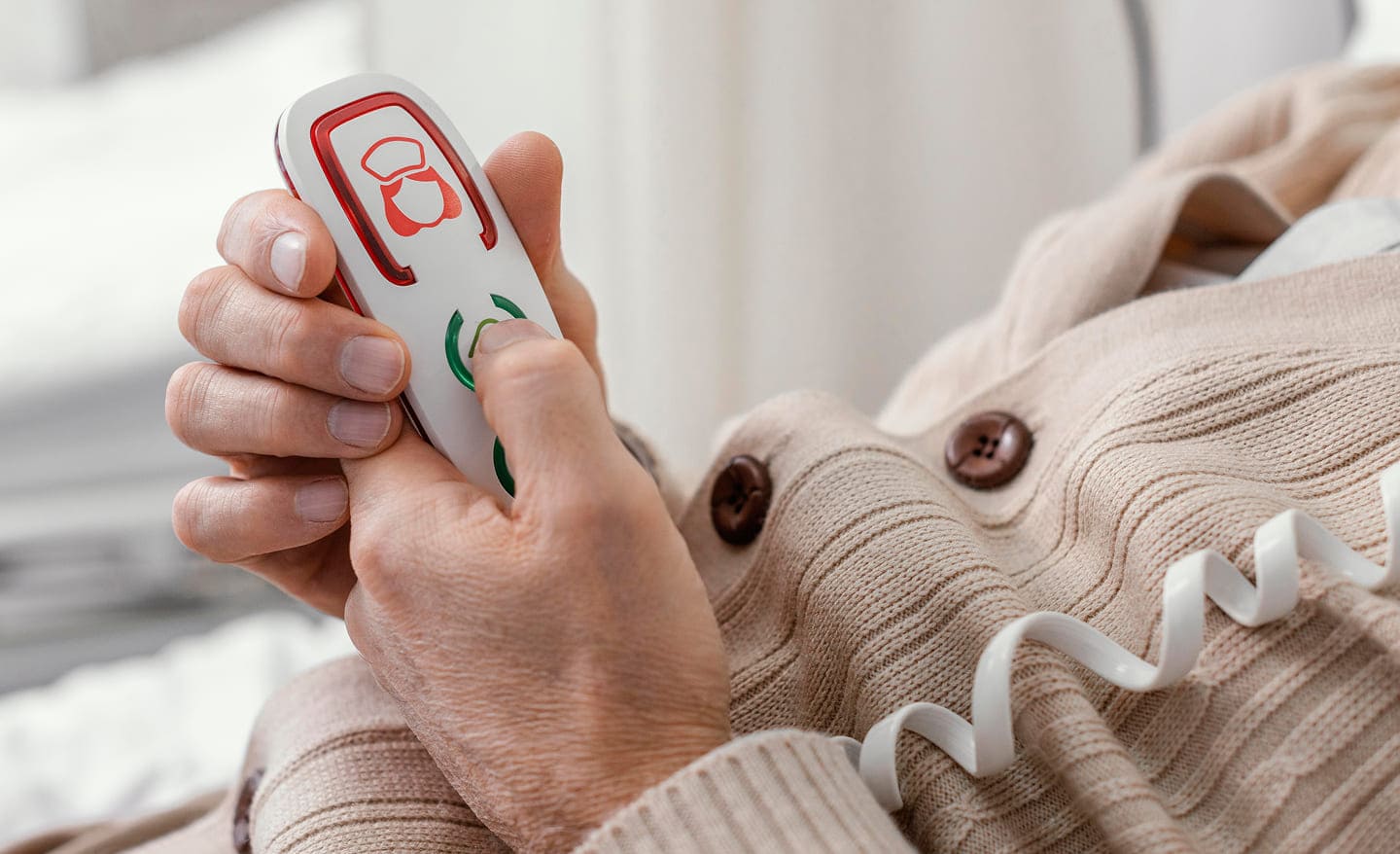
Buying a new hospital-style bed for your home can be a burden, especially in this current economic climate. For many, the world of hand-me-downs and pre-owned equipment remains the soundest budgetary decision. But don’t let the lower prices alone tempt you. It might be a great deal for some, and for others a nightmarish puzzle of parts and research before even lying in bed.
Before finalizing your purchase, it is a good rule of thumb to do your research and inspect the equipment and its components thoroughly. Take your time and give it a good look, scour every nook and cranny and even give it a try. Avoid any unnecessary stress and follow our guidelines. Don’t forget: you are shopping for medical equipment and not a luxury articulated bed from those big retailers.
The Mattress
First, let’s talk about the mattress. Being the central cog in all this sleep operation, this is the surface you will be in contact with the most. Most electric care beds will be paired with a therapeutic mattress such as the Glissando and Solace. Depending on your condition or needs, the mattress supplied might not be adapted to the situation.
Needless to say, it is a good idea to inspect the mattress surface for any tears, deformations and discolorations. If the cover is torn, weathered or discolored, the risks of urine, humidity or other filth infiltrating the foam is high. If the foam mattress is deformed or dry and flaky, the condition is dubious at best. Our tip: opt for a new preventive care mattress if your means allow for it. Due to the nature of care mattress use, you might be taking the risk of exposing yourself to urine, blood, fecal matter and other body fluids. On top of that, you might be inviting a bedbug colony to your home. If the water-resistant cover and the foam inlays seem in good condition, and that the original residence of the bed is infestation free, you could most likely keep the used mattress. A good scrub, decontamination and quarantine period for the mattress should be done before use.
The Frame and Mechanism
The next step will be to inspect the base of the hospital bed and the mechanical components attached to it. The base of the bed is where all the articulated magic happens. The best test is to try it yourself. Grab the remote, press on those buttons and make it move. First of all, does it even function? If it does, is it overly noisy and creaky? Do all the parts move fluidly, or does it seem labored and janky? Do the motors seem to work harder than necessary? Take the time to inspect the wiring and connections for any fraying, disconnections or outright breakage. While you’re at it, look at the condition of the paint and metal of the articulations. If you see rust, you see structural weakness bound to happen.
The mechanism is usually covered by the manufacturer’s warranty (if the bed isn’t too old). This doesn’t mean that their assistance will be completely free, but don’t let that stop you from trying. If all the parts and components seem functional and in good condition, a little cleaning and greasing will do the trick to restore it. If you are uncertain of the condition and of your decision, you can have the bed inspected by our repair specialist in our workshop.
The Parts and Components
The last thing on your checklist should be the parts and components. More specifically, if said parts are still available or discontinued. Manufacturers have a tendency to discontinue certain lines of production and support system for certain products, making them obsolete. If that is your case, repairing and maintaining your electric hospital bed might be difficult if not impossible. If the bed model is old enough, your bed rails might not comply with today’s safety standards. If parts are available, then that’s good news for you! The bed’s integrity and longevity can be maintained so long as you have access to these parts. Equipment of this size and price is not something you want to shop for every year. Once inside, it’s meant to stay.
The most important thing will be to check the availability of electronic components. A lock pin can easily be changed for another model or solution, but if your control module short-circuits and the part isn’t available, you’re dead in the water. The hand control pendants are usually not interchangeable as well. If the scissor mechanism is damaged or defective, but the control module is functional, your articulated bed will still be immobile. In fact, you risk further damaging the hospital bed by trying to use a defective model. To figure out if the electric bed you are looking at still has available parts, you simply have to look on the internet. The model number will be required. If that is not an option for you, you could always give us a call. Our experts will gladly help and guide you with the proper information.
Make yourself a checklist. Check every box and note any changes or repairs to be done. Weigh the pros and the cons of buying a used bed and compare your investment with the price of a new bed. The bed is in good condition, but you’ll need a new preventive care mattress? Your bed guard rails are full length and will need to be changed for half-length rails? Be certain to have inspected every nook and cranny possible before proceeding with your purchase. Used equipment might be more affordable, but you will have no warranty or guarantee to fall onto in case of a problem.
Be absolutely sure and confident in your decision. A used electric homecare bed can easily cost you the price of a new model if you aren’t wary enough. You can call on us for any verification, troubleshooting and to compare prices. Our team will gladly inform you about the possibilities, alternatives or to help you move your adapted equipment. Shop wisely and carefully!
-
How Do You Choose the Right Medical Chair?
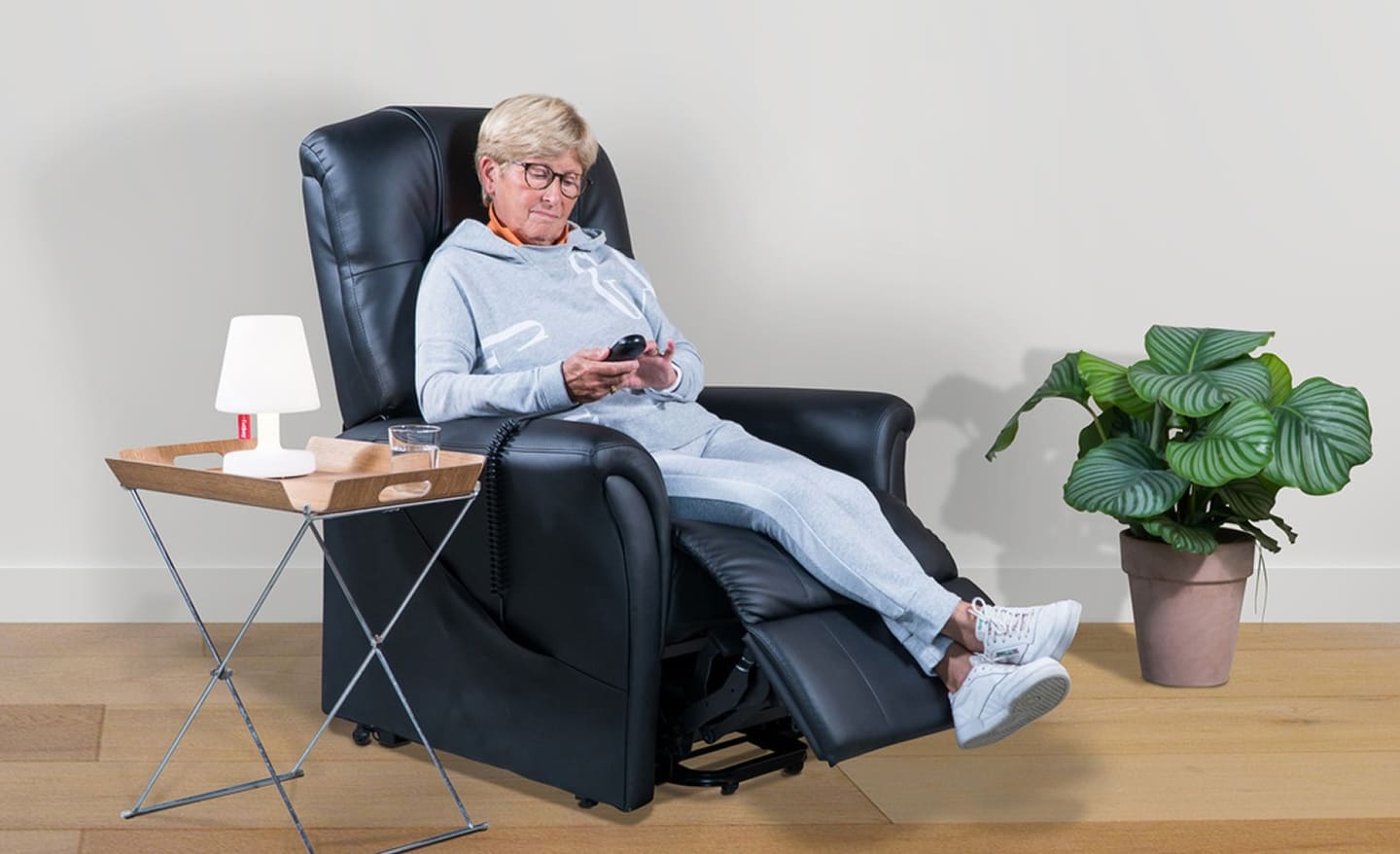
A power lift recliner is usually recommended for elderly people who have trouble getting up or sitting down. But are there are other types of chairs suitable for other situations? Well… Yes! If you are limited in mobility and dexterity, then that condition affects you outside the living room as well. As luck would have it, LPA Medical has a complete lineup of specialized healthcare seating designed for comfort and, most of all, safety.
Thera-Glide Self-Locking Glider Chairs
Everybody loves a good rocking chair. But their moving frame makes them a tad unstable to get in or out. Not the safest seating option for someone requiring extra support. The armrests, seat and backrest all move when trying to brace against them for support, making it a risky endeavor. The auto-locking gliding chair is the safest way to enjoy a good rocking. With its nifty locking mechanism situated in the backrest, the chair only moves once a person is fully and safely seated. The chair locks as soon as weight is removed from the back trigger, letting someone push off the armrests that are now standing sturdy. A much, much safer alternative.
The chairs are built using a wide variety of measurements, types of backrests, framing materials and upholstery. There is a Thera-Glide chair out there for you, whether it be for personal or institutional use.
Versatile Tilting Room Chairs
Designed by healthcare professional for healthcare professionals, the Versatile room chair is often seen in hospital rooms and other institutions. The height of these high back chairs is adjustable, letting you get in and out with more ease. The backrest is reclinable for extra comfort. In fact, this room chair is more than a recliner, as it also tilts forwards. By tilting the chair forward, it is much easier to get up and safer to transfer to another surface.
As an institutional tool, the Versatile patient chair are robust and covered with upholstery resistant to liquids and antimicrobial soaps. The metal frame is solid, it’s easy to clean and has options and accessories. As a high back patient room chair, the Versatile takes the cake.
Utility Adjustable and Stackable Chairs
In some cases, a smaller solution is needed as a bigger chair would be too cumbersome. The perfect example is at the dining table where most chairs are too low. A straight chair is ideal, but our high backrest room chairs might be a tad too large in this case. This is where the Utility multipurpose stacking chairs come in the picture. They are easy to clean, the height is adjustable, weighed for extra stability and have a few accessories (such as front wheels) for particular situations and needs. A perfect solution to get the right support at the right height in the dining room or working at your desk.
Although useful in the home, these chairs were actually designed and developed for long-term care environments such as retirement homes, clinics and the like. They are robustly constructed and durable yet comfortable. Easy to clean and designed with antimicrobial materials. Stackable, equipped with handles, and simple to use, these chairs are an excellent solution in dining rooms, waiting rooms and common areas.
Finally, LPA Medical produces a wide range of medical that are convenient, simple to maintain, easy to clean and most of all that are safe. Whether for your home or institutional residence, the self-locking Thera-Glide gliders, the tilting Versatile patient room chair, and the Utility multipurpose stacking chairs are comfortable and reliable options. More often than not if a power lift chair is recommended to you, other options might work just as well.
At Équipements adaptés MCL, you can be certain that we will find the medical chair perfectly suited to your needs and usage. We have access to a wide range of medicalized seating and it would be our pleasure to help you in your process.
-
How to choose the right orthosis?
he field of orthopedics can seem complicated and intimidating when uninitiated. For unusual or specific cases, there are orthopedic specialists out there that can offer tailor made solutions. But what about the most common conditions? The world of over-the-counter orthoses can rapidly become daunting and heavy if not guided by a well-informed expert. Word to the wise: it is always a good idea to have your doctor or physiotherapist evaluate your needs or injury before launching yourself in your shopping. Your healthcare provider is best equipped to determine what condition ails you and guide you toward the proper treatment plan. A second piece of advice: your healthcare professional will be able to guide you towards the right type of orthopedic product to help you, but a renowned orthosis and splint expert will be able to guide you through the myriad of seemingly identical products.
That being said, there are a few generalities and tips we would like to share with you to help you through the process. Choosing the right orthosis or splint can be the difference between a speedy recovery or a surprise complication.
The Right Support, a Question of Terminology
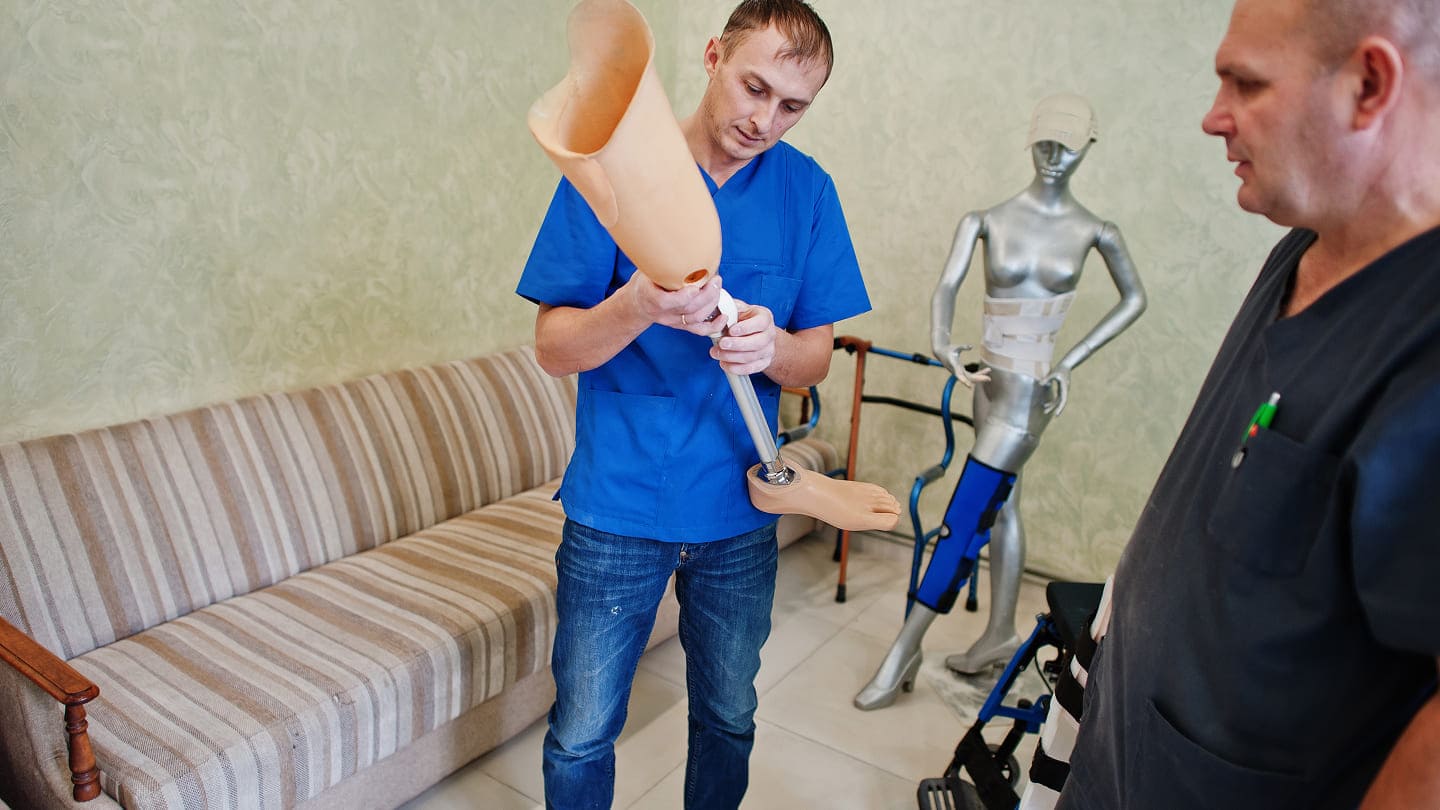
Orthosis, prosthesis, splint… They’re all the same, right? Wrong. A prosthesis replaces a missing limb or body part. Orthoses can wear many hats. To simplify the definition, they are generally used to assist or facilitate limb function and motion that has become difficult, painful or deficient. Think physiotherapy. And a splint? Well, that’s just a type of orthosis used to immobilize an injured or painful limb. A sling holding a broken arm in place is a good example. Here are a few more examples to help you understand:
- A breast form? We’re talking about a prosthesis here.
- A mechanical foot? Also a prosthesis.
- A back support belt? Bingo! The belt promotes proper posture and flexion during physical activities to insure adequate function and limit risks of injury. By supporting and assisting proper body function, the support belt falls under the umbrella of orthoses.
- A profiled stabilizing sling? If you remember correctly, it is an orthosis although more specifically called a sling.
Orthopedic braces and splints are usually paired with physiotherapy exercises, stretching and even neurostimulation treatments on occasion. These exercises are essential for recovery or to strengthen a weakened, possibly aging, articulation. This helps promote healing and recovery, as well as limiting the chances of further injury or complication.
Wearable Therapy
What about usage? As already established, orthoses are usually meant to stabilize or assist limb function and articulations. How this is achieved will depend on the situation and the needs of the user. For a hernia, a support truss will apply sufficient pressure to maintain everything in place. This will help alleviate pain while waiting for an operation. Are you pregnant or do you lift heavy loads regularly? A lumbar or maternity support belt will maintain correct posture and limit the risks of injuring yourself. Is it tendinitis or rhizarthrosis? A wrist or thumb stabilizing brace can help reduce pain due to over usage of your thumb or wrist while limiting damaging motions of the limb. You have a bum knee or an ankle sprain? A wraparound knee brace or ankle stabilizer (or even a walking boot) will help support your weight. And don’t forget, all of this is generally matched with stretching, exercises or physiotherapy.
As you can see, there is a veritable myriad of possible equipment and solutions out there. As stated above, it is good practice to check with your healthcare professional to ensure that your needs are met, and to have an informed specialist assist you in choosing the right product for you.
Head, Shoulders, Knees, and Toes
So, if a limb is painful, you just have to brace it right? Not quite. Depending on the condition, the part of the body to treat and support might be different than where the pain originates. A painful wrist might in fact be a pinched nerve in your neck or shoulder. Your caregiver will be able to diagnose what the situation is, and from there the correct type of orthosis will be determined. There is an orthosis, brace or splint for almost every body part and their associated conditions. Making a complete and detailed list would be a daunting affair that would only serve to further confuse a potential shopper. They can be grouped in 5 general anatomical regions to simplify the categorization: the neck and shoulders, the arms (elbow, wrist, hand), the abdomen and back, and legs (hips, knees, ankles, feet).
But remember: the painful region might not be the area to support. A painful and tingling wrist or fingers could be tennis/golfer elbow. In this case, the orthosis will be worn on the elbow and not the wrist or fingers themselves. Furthermore, if an orthosis is worn for extended periods or in an improper fashion it might have the inverse effect of atrophying the muscle instead of restrengthening it. It is of the utmost importance to follow the guidelines and exercises prescribed by your caregiver to avoid further aggravating the problem.
As you can see, the world of orthopedic braces and splints can be quite the affair. Whether you need ongoing support for a specific condition or temporarily for recovery, orthoses can help you find your Mobility, Comfort and Liberty once again. Whether it be a sling for a broken arm or a hernia truss, we can help you find the correct tool for your needs.
At Equipement adaptés MCL, we hold a wide variety of over-the-counter orthoses to cover a range of conditions and situations. Our experts can and will gladly help guide you towards the proper equipment. But we can’t stress this enough: your healthcare specialist will determine if an orthosis is the proper solution, and our experts can guide you towards the proper model for your needs. Happy recovery!